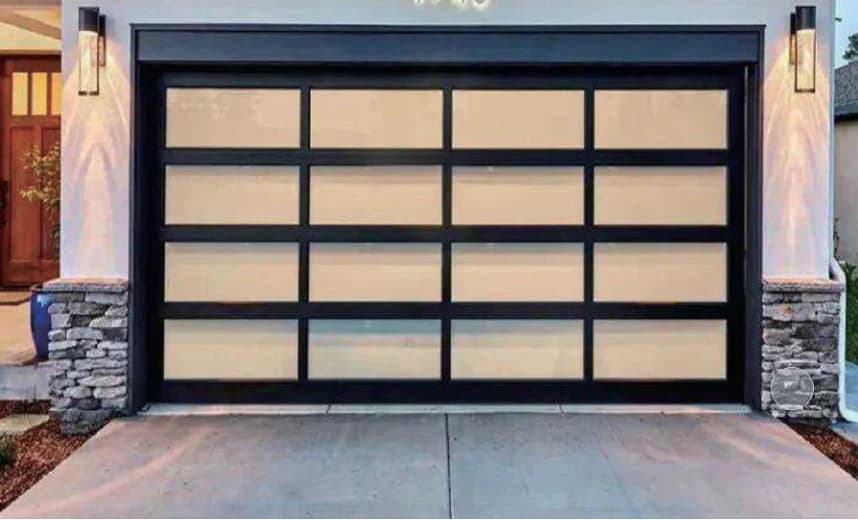
Garage Door →
Residential and commercial garage openings where appearance, clearance and operation must work together.
Opening geometry, panel or glazing construction, wind requirements and operator compatibility.
FOR DISTRIBUTORS, INSTALLERS & PROJECT BUYERS
Find a suitable door, opener or hardware kit for your opening. JBL Entrance helps clarify configurations, compare supply requirements and coordinate with manufacturing partners in China.
Start with your question, an approximate opening size or a product model. Drawings can follow.
Select the product family, then review the configuration and interfaces.
Residential and commercial garage openings where appearance, clearance and operation must work together.
Opening geometry, panel or glazing construction, wind requirements and operator compatibility.
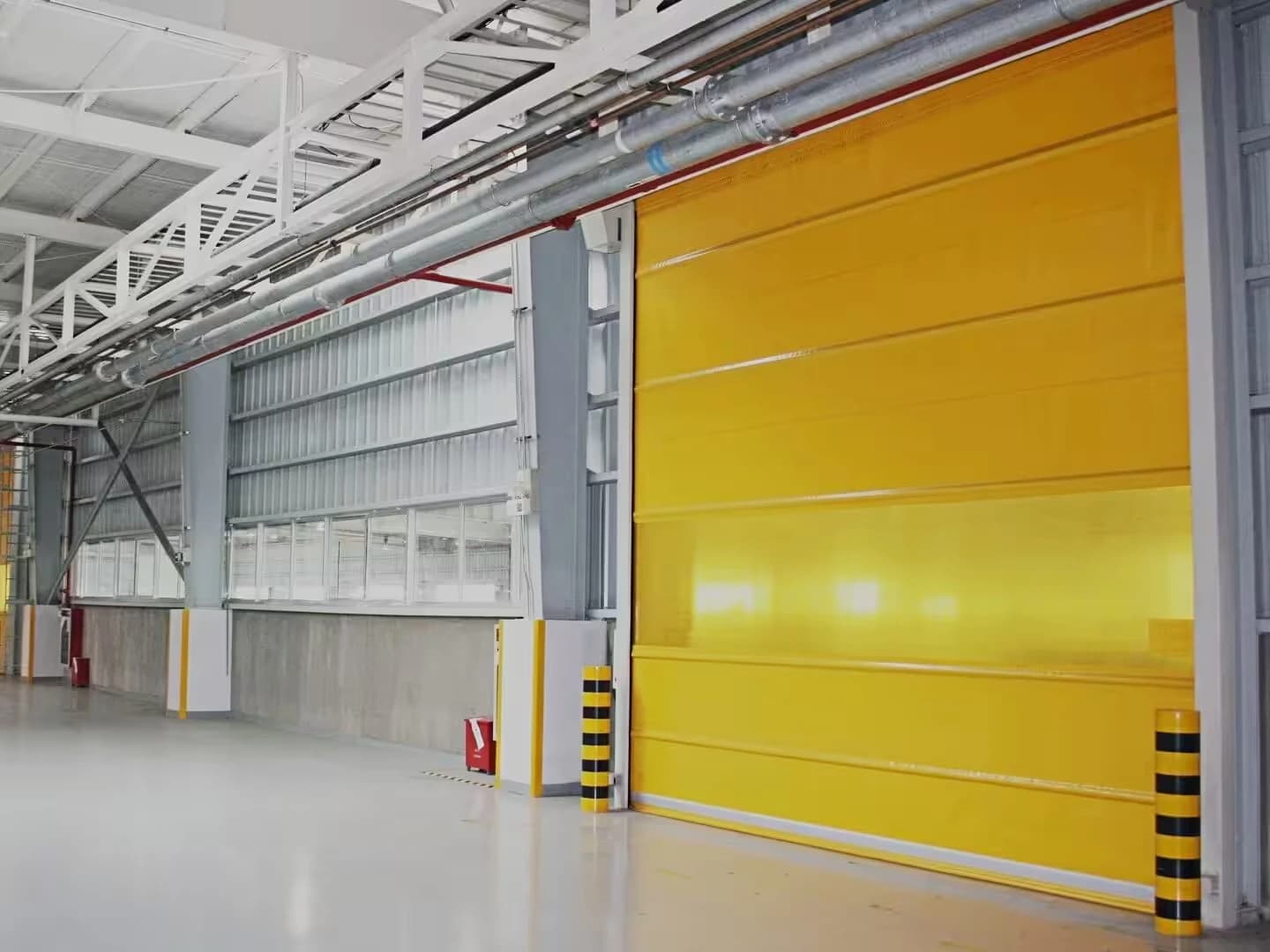
Warehouse, production and controlled-environment openings.
Traffic, opening cycles, exposure, headroom and the required separation between areas.
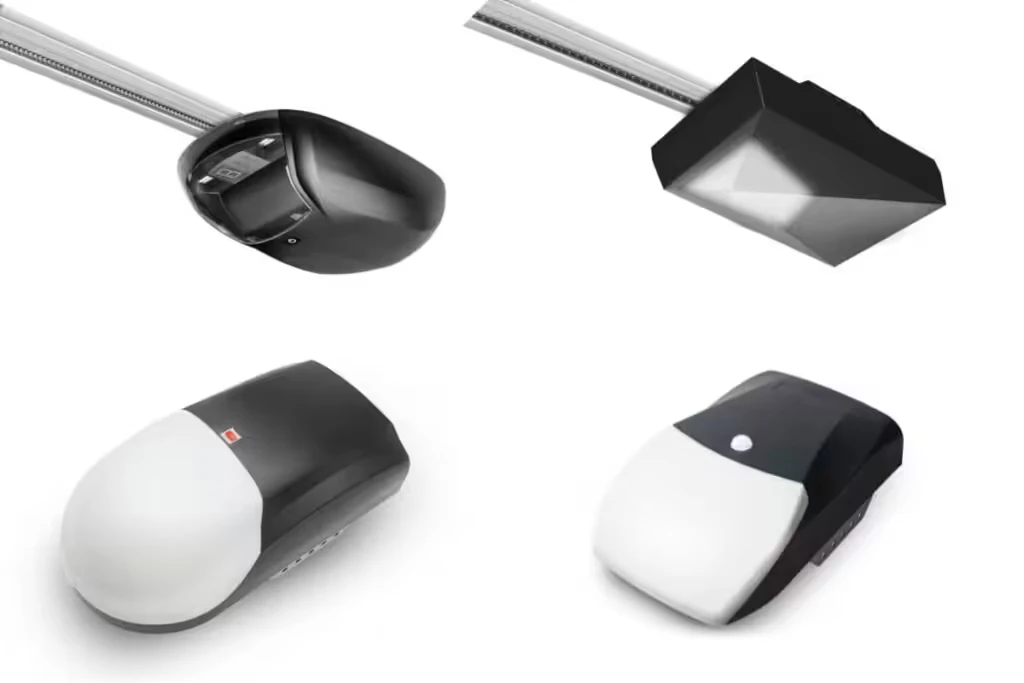
Powered operation of a compatible, correctly balanced door system.
Door type, mass, balance, duty, electrical supply, controls and safety interfaces.
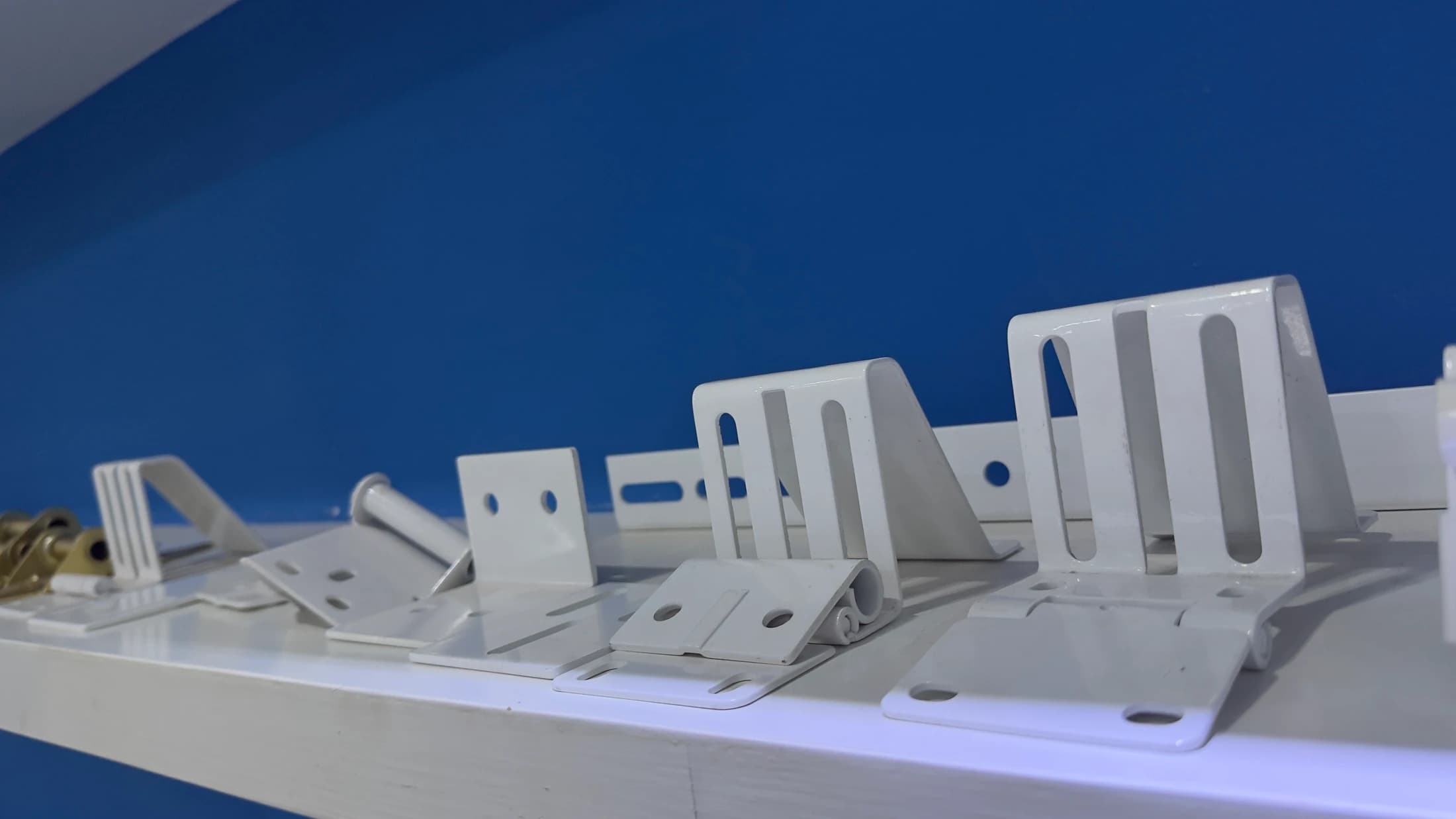
Assembly, installation and replacement enquiries for door systems.
Dimensions, part identification, track arrangement, door mass and compatibility with the existing design.
Compare nine product options, then review the configuration for your opening.
Frequent traffic in logistics passages, food processing and controlled environments.
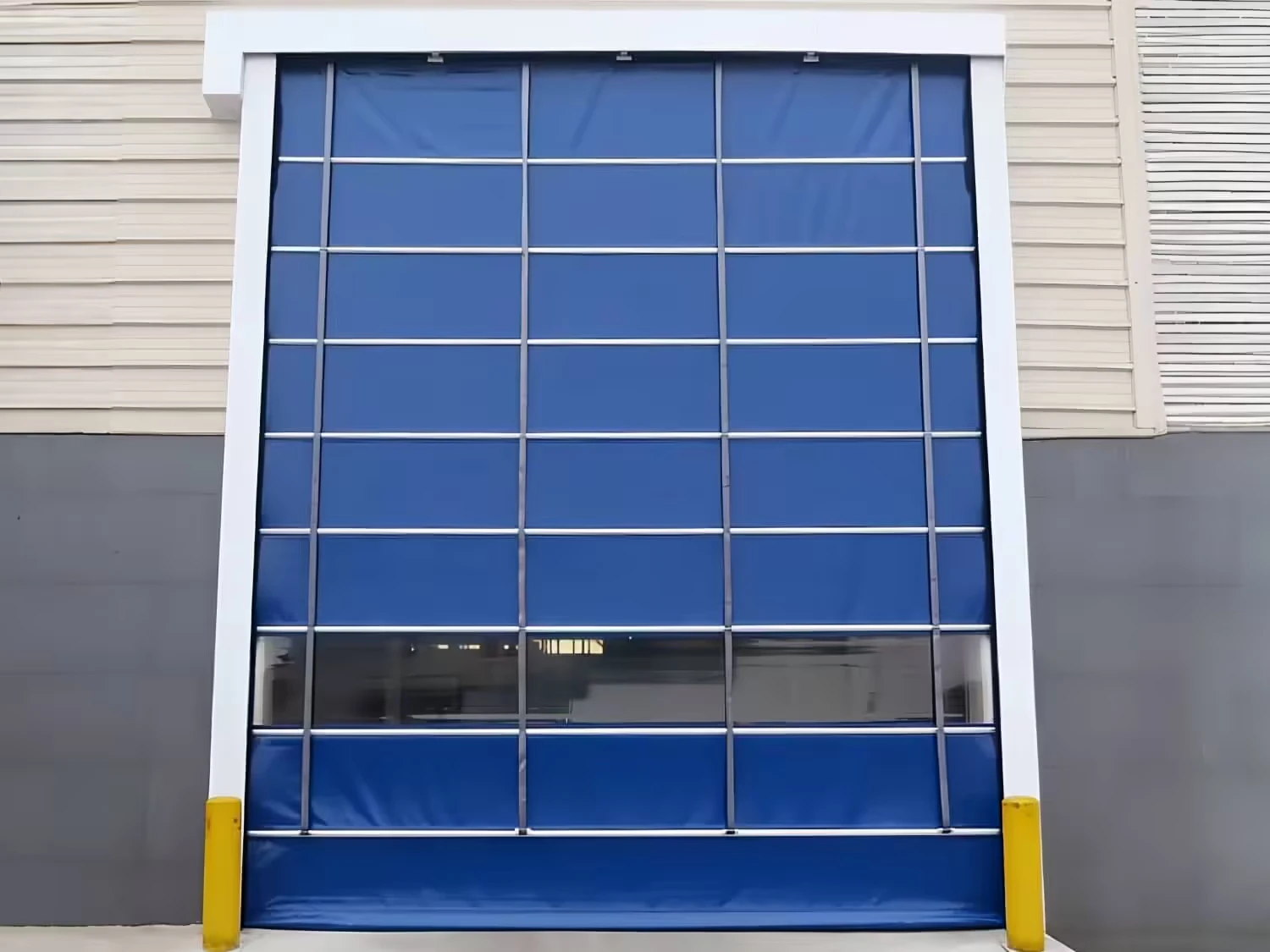
Large openings in logistics facilities, industrial plants and waste treatment areas.
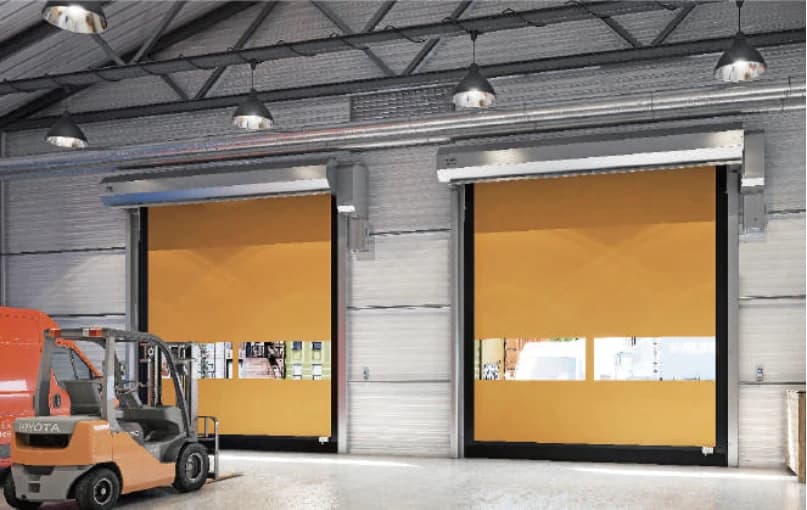
Food, pharmaceutical and electronics areas, clean environments and frequent logistics traffic.
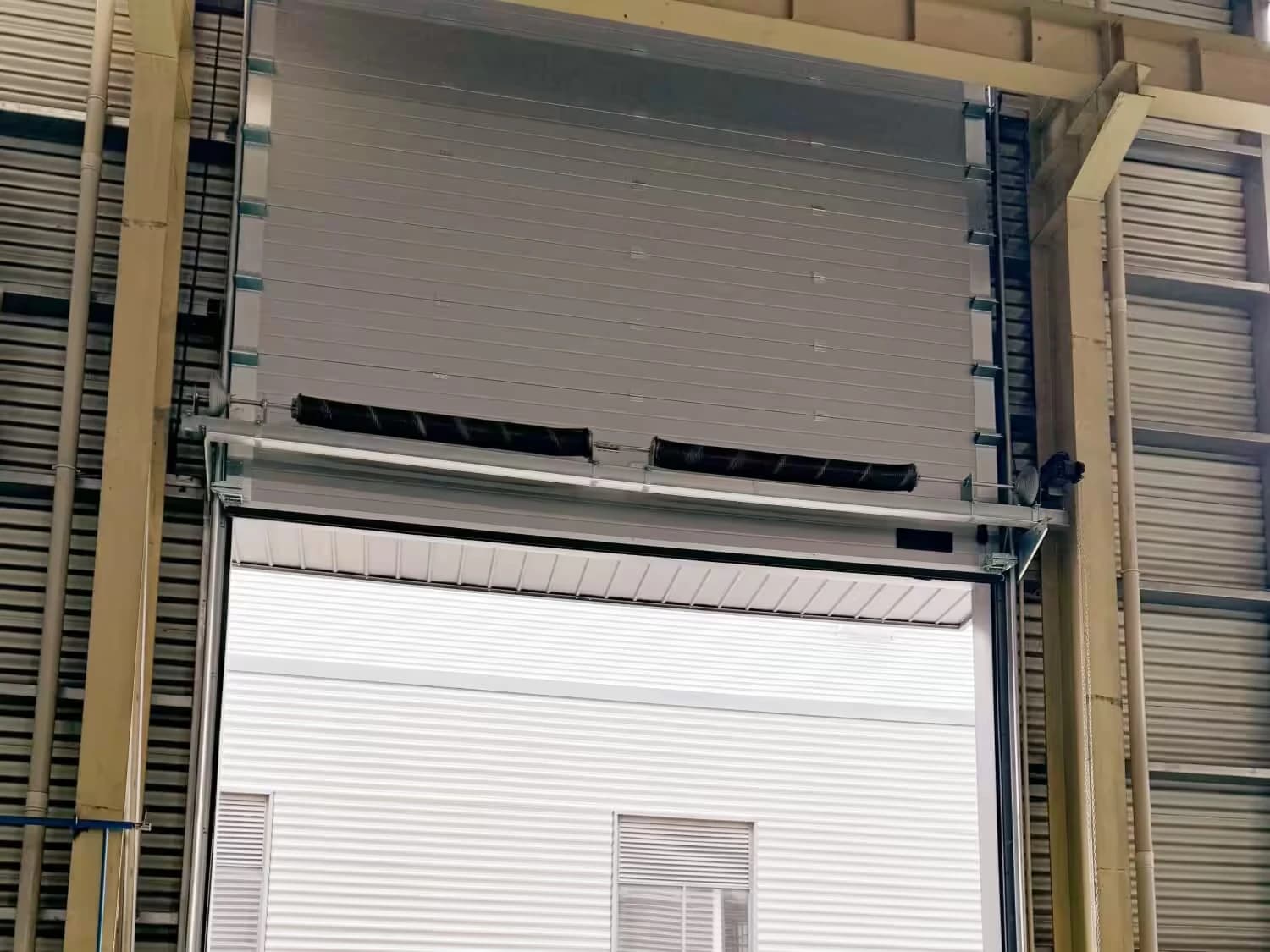
Warehouses, logistics centers, factories, cold storage and commercial garages.
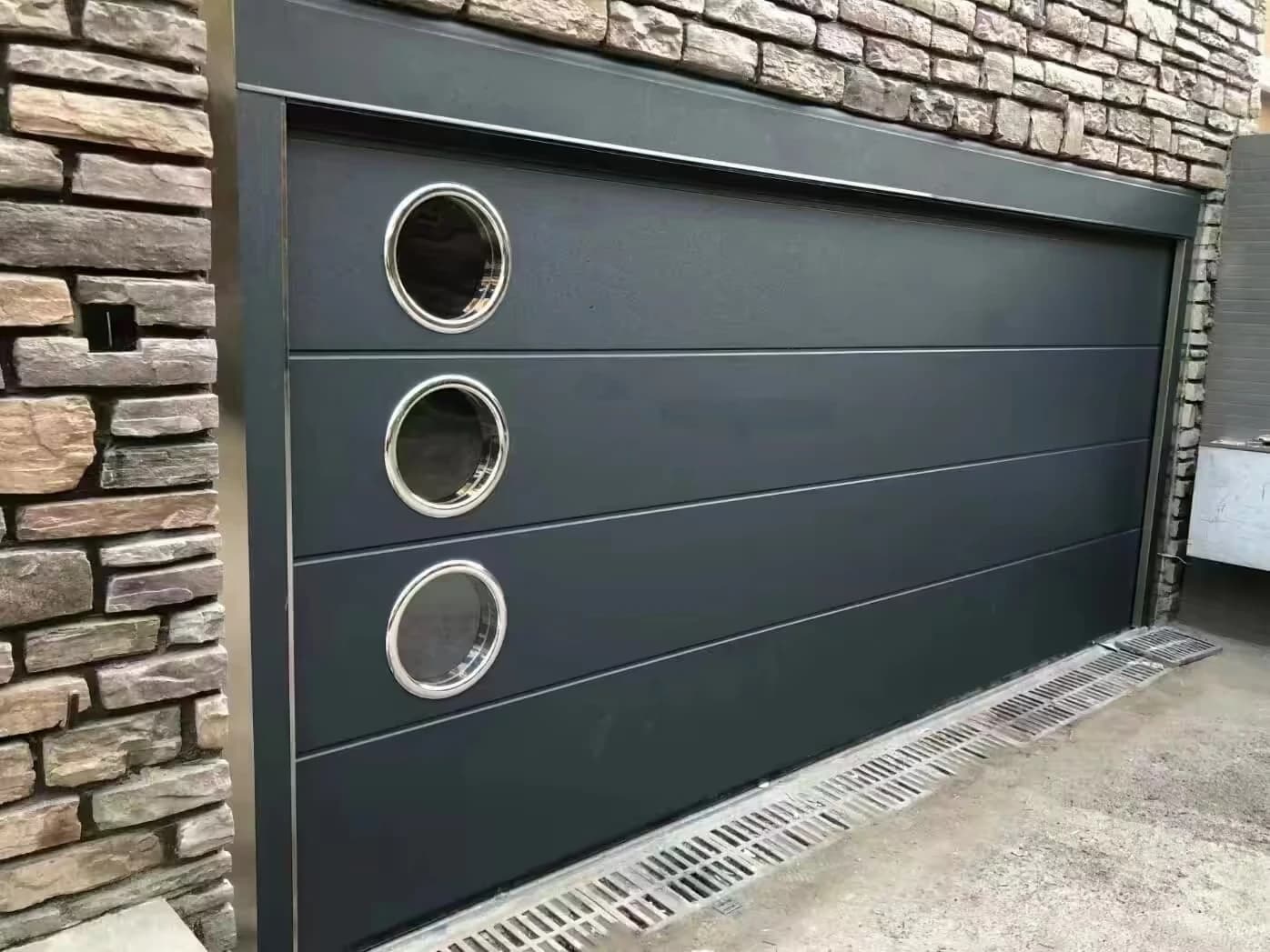
Residential garages, villas, showrooms and commercial display spaces.
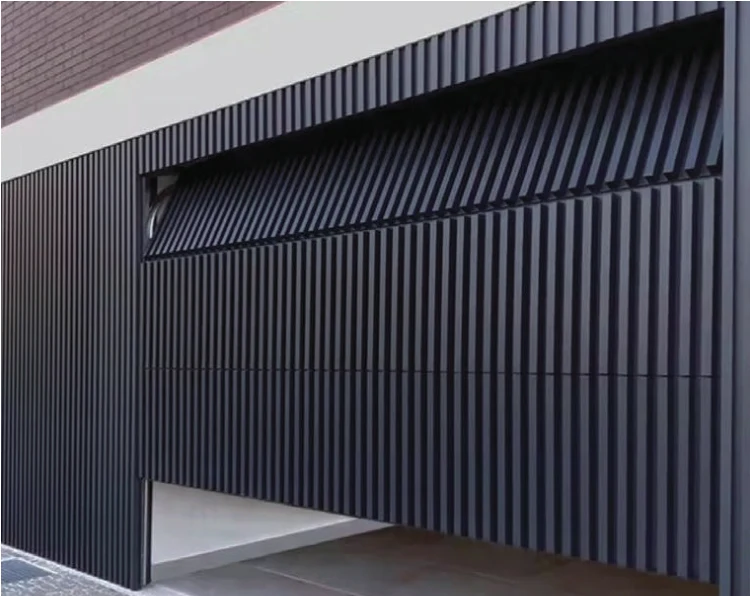
Garage and industrial sectional-door drive selection.
Hardware selection for 16 ft. × 7 ft. and 8 ft. × 7 ft. garage doors.
Supplier catalogue images; configurations are project-specific. Images do not represent JBL-owned factories or completed projects.
A different role in the door industry brings different questions. Start with yours.
Add a compatible product or component to an existing door range.
Explore Solutions →Define what is supplied and what is assembled locally.
Explore Solutions →Build a clearly specified range for the applications your customers serve.
Explore Solutions →Resolve site interfaces or identify a compatible replacement.
Explore Solutions →Turn a door schedule or tender into a coordinated supply requirement.
Explore Solutions →Use one requirement brief to connect your opening, door configuration and supply scope.
Review the door, operator and required components together. Confirm the included and excluded supply items.
Align requirements, drawing revisions and acceptance evidence with the selected configuration.
Agree packing, documentation, delivery terms and handover responsibilities before execution.
Matching opening dimensions alone does not establish compatibility. Prepare these inputs for a comparable enquiry.
| Buyer decision | What to review |
|---|---|
| Will it fit? | Opening, headroom, side room, structure and track layout. |
| Will it suit daily use? | Traffic, cycles, exposure, temperature and separation requirements. |
| Will components work together? | Door construction, operator, power supply, controls and safety interfaces. |
| Are quotations comparable? | Included components, drawings, inspection evidence and delivery terms. |
Make the technical and supply decisions visible before committing to an order.
Review application, opening geometry, operating conditions and the questions that need technical confirmation.
For your order review: Requirement brief and open-item list
Review this capability →Review the door, operator and components as one configuration, including mechanical, electrical and building interfaces.
For your order review: Configuration and interface schedule
Review this capability →Compare the application, environment and required operation with the available product information. Confirm limitations before selection.
For your order review: Product shortlist and selection criteria
Review this capability →Coordinate dimensions, supports, clearances, controls and revisions before the agreed configuration is released.
For your order review: Drawing revision and confirmation record
Review this capability →Agree specification checks, inspection scope and acceptance evidence with the supplying manufacturer for the order.
For your order review: Inspection requirements and acceptance criteria
Review this capability →Coordinate packing, identification, documents, delivery terms and the responsibilities at handover.
For your order review: Delivery and document checklist
Review this capability →Understand the decisions behind a door system.
Buyer situation: A project team needs to coordinate a sectional door with the building structure.
Engineering review: Compare opening dimensions, headroom, track layout, supports and operator position on the same drawing revision.
Verification: Agree the configuration and acceptance checks before release. This is a planning scenario; no completed-project result is claimed.
Review project decision paths →Practical guides to help you choose, measure, match and compare before ordering.
Compare high-speed PVC and sectional doors by traffic, space and separation requirements.
Compare door types →Check opening size, headroom and side clearance before confirming the configuration.
Use the measurement guide →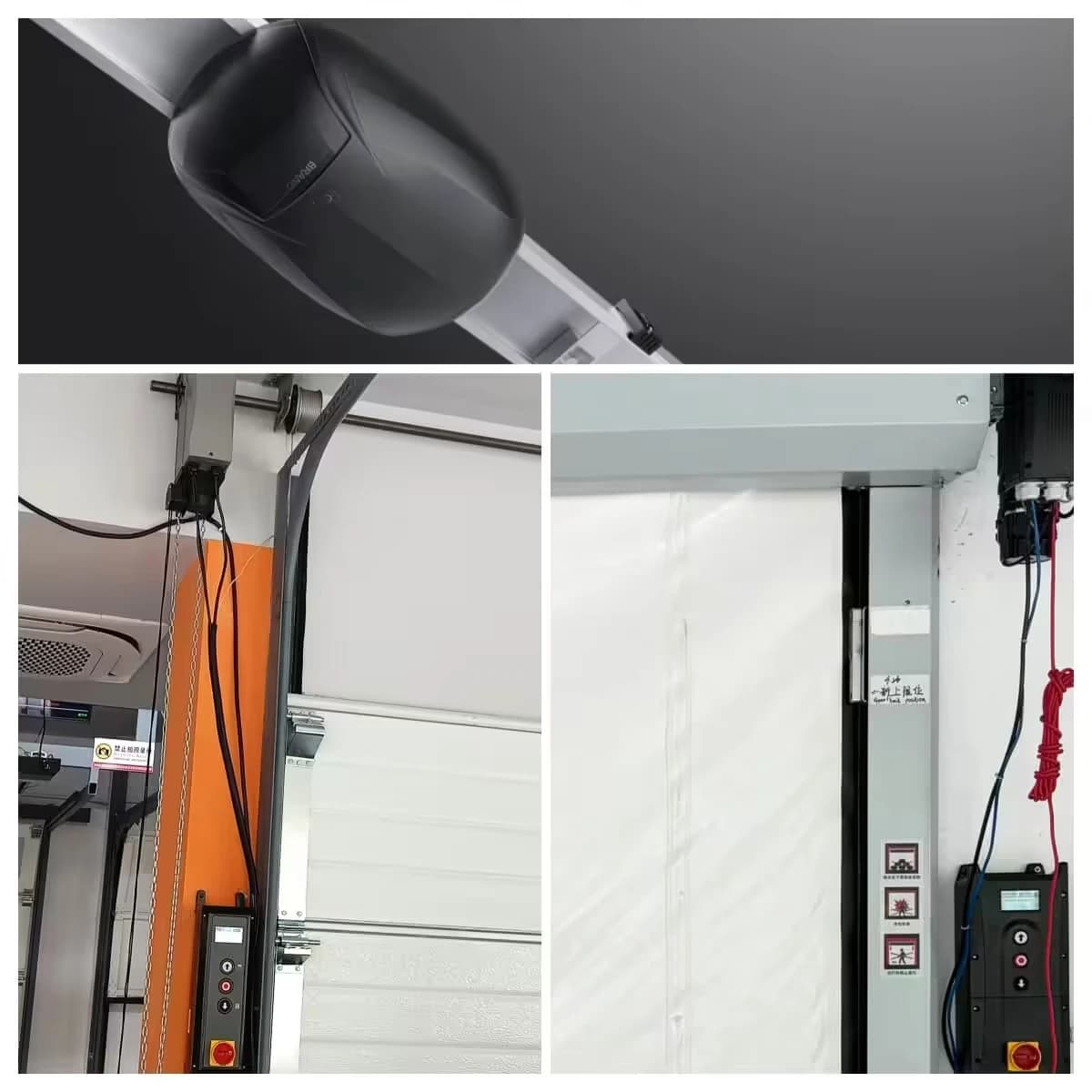
Identify the door assembly, drive interface and component requirements before ordering.
Review compatibility checks →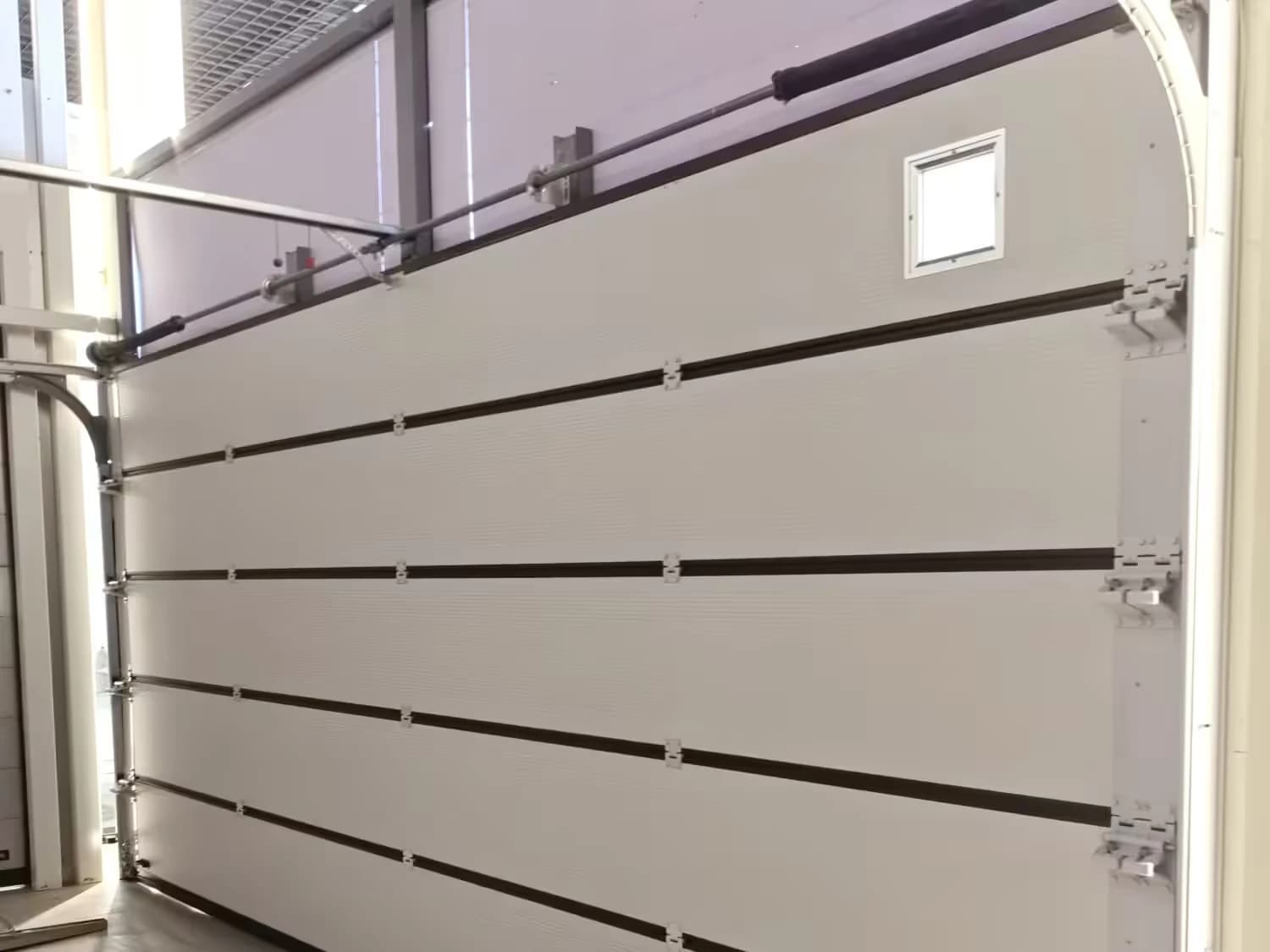
Review equipment, packing, documentation and delivery responsibilities side by side.
Compare quotation scope →Supplier product illustrations. Use each guide to prepare questions for your own configuration.
Yes. Share the opening size, how the door will be used and any space restrictions you know. You can identify uncertain details for later confirmation.
Use the same dimensions, quantity, panel or curtain requirements, operator and hardware scope in each request. Ask for packing, freight, taxes and delivery responsibilities to be stated separately.
Yes. Include the door model, lifting arrangement and any component labels or photographs. Compatibility and the available supply scope need to be checked for your assembly.
JBL Entrance is a brand of Jin Bei Li Metal (Suzhou) Co., Ltd. It supports product selection communication, configuration confirmation and project coordination with manufacturing partners in China.
Yes. Begin with your question or approximate dimensions. Label measurements and units, and identify anything that still needs checking before the configuration is confirmed.
You can contact Spring, Global Sales Director, or Delia, Project Sales Director, through the WhatsApp links below. You can also prepare your requirements using the enquiry form and share them by email or WhatsApp.
Bring your application, dimensions and supply requirements. We can start with the information you have.
Manufacturing, assembly, distribution, installation or a project requirement.
Door schedule, opening drawings, operator or component identification.
Required documents, acceptance criteria, quantities, location and target date.
Thank you for considering JBL Entrance. Whether you have a specific product in mind or would appreciate guidance on selection, please share your requirements below.
For a door quotation, an approximate opening size and quantity are a useful starting point. For an operator or hardware kit, please share the door model or the part you need help identifying.