Door quotation checklist: compare configuration, hardware and delivery scope
Check equipment, documents and commercial scope to compare equivalent quotations.

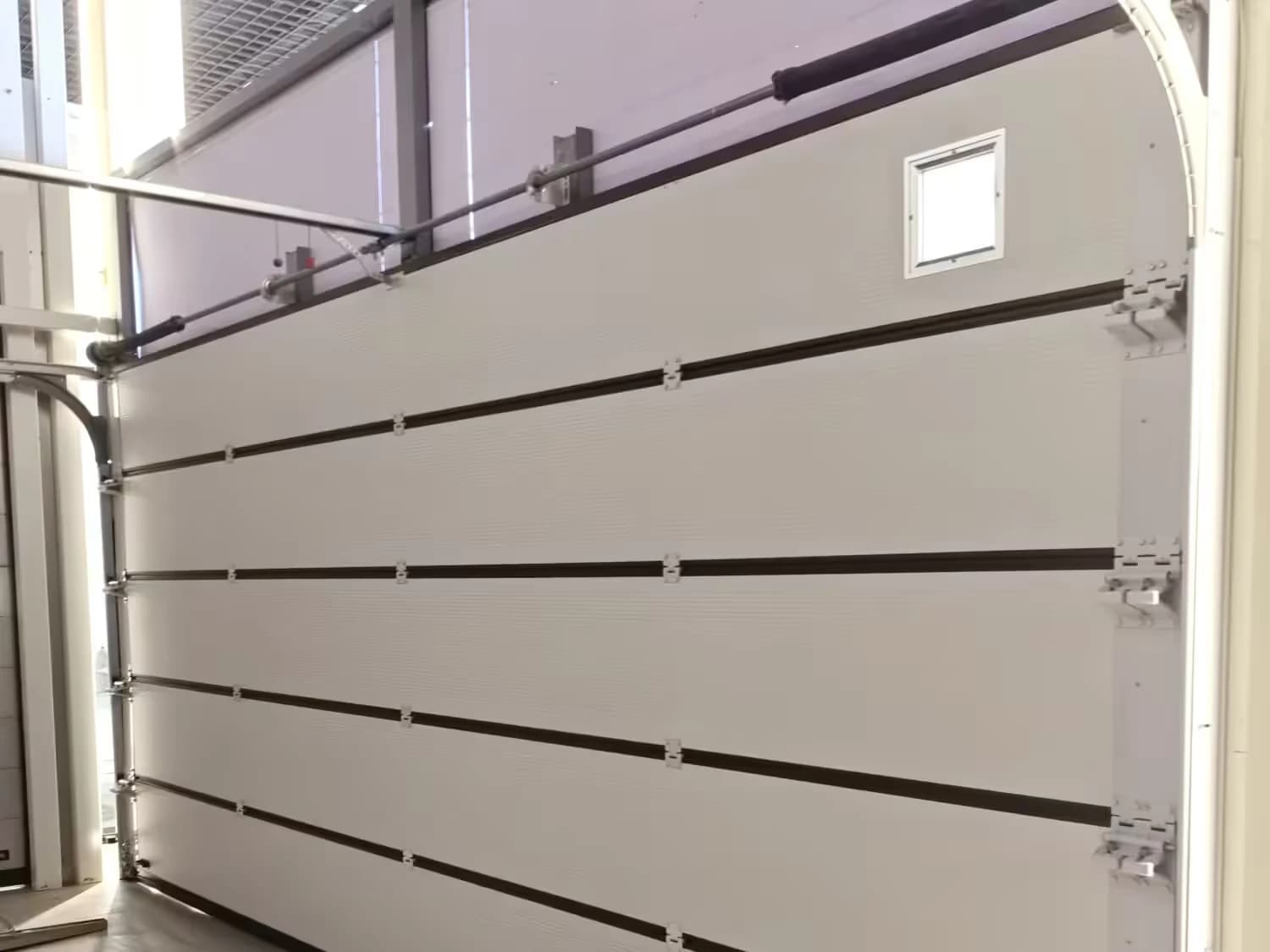
Two suppliers quote for the same opening, but the totals are different. Before deciding which offer is better value, I would check whether you are actually comparing the same configuration and responsibilities. A missing item is easy to overlook when the quotation only says “complete door”.
Compare the configuration, included equipment, documents and commercial scope before comparing the total price. Differences in controls, installation interfaces or delivery scope can make apparently similar offers difficult to compare.
At a glance
| Compare | Look for | Question to ask |
|---|---|---|
| Product | Model, dimensions, construction and finish. | Which exact configuration is priced? |
| Equipment | Operator, controls, protective devices and accessories. | What is included, optional or supplied by others? |
| Site work | Fixing, wiring, installation and commissioning scope. | Who is responsible for each interface? |
| Documents | Drawings, manuals and agreed acceptance evidence. | What will be available for review and handover? |
| Commercial basis | Currency, quantity, freight/tax scope and validity. | Are both totals based on the same terms? |
Use one requirement brief
Share the same opening dimensions, quantity, site conditions and required functions with each quotation request. Identify the door type, finish, vision requirements, control method and safety interfaces, and mark undecided items.
I would give every supplier the same dated requirement brief, including undecided items. If one supplier has assumed a different finish, lift arrangement or control method, ask them to make the difference visible rather than leave it buried in the total.
A useful comparison sheet has separate columns for required, offered and still to confirm. An alternative proposal may be worth considering, but keep it separate from the original scope so you can see what the saving or change actually involves.
List inclusions and exclusions
Check operators, controls, accessories, fixings, drawings, packing, installation, commissioning and documentation. Specify required standards and evidence without assuming that a generic product description proves compliance.
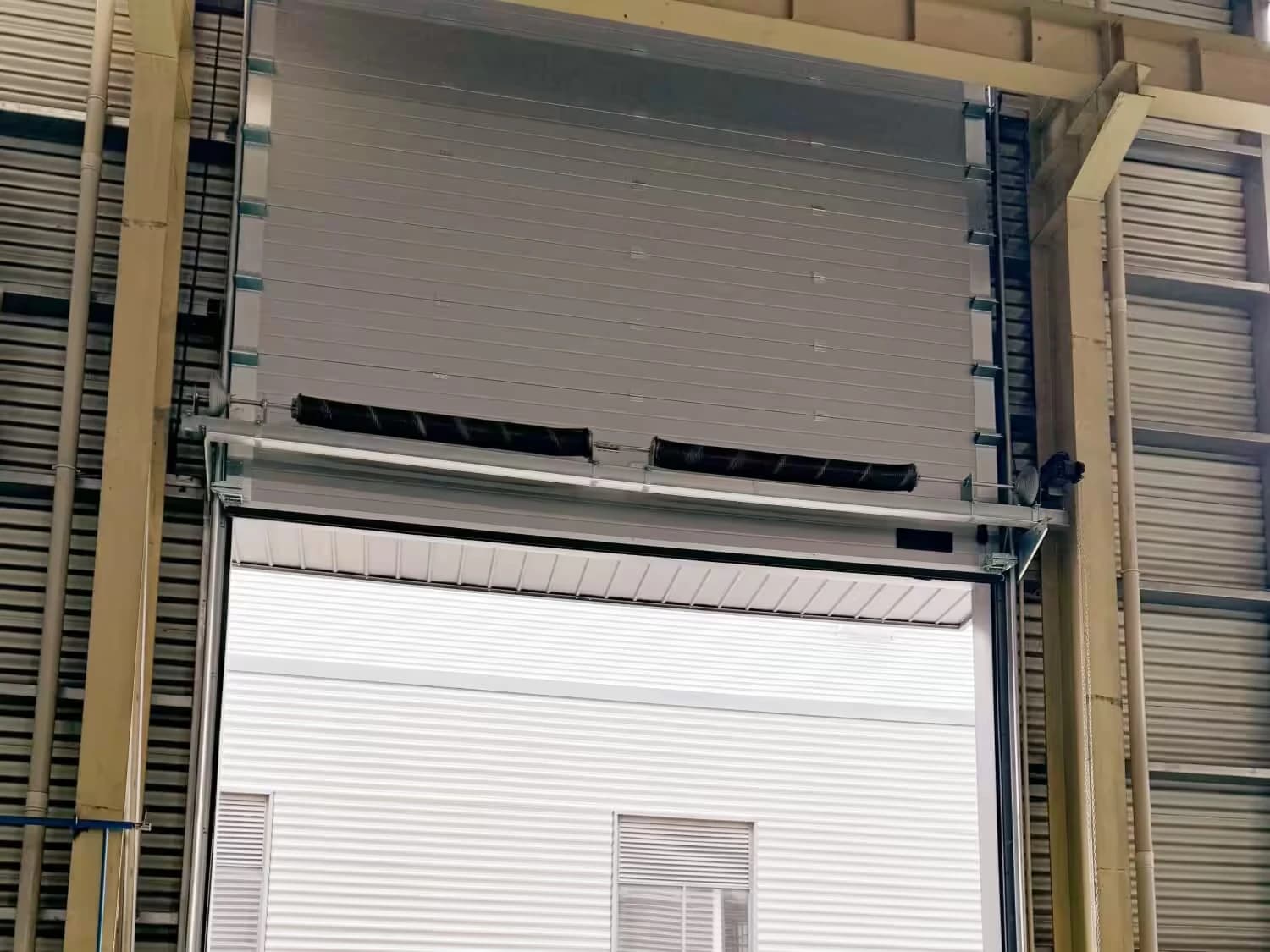
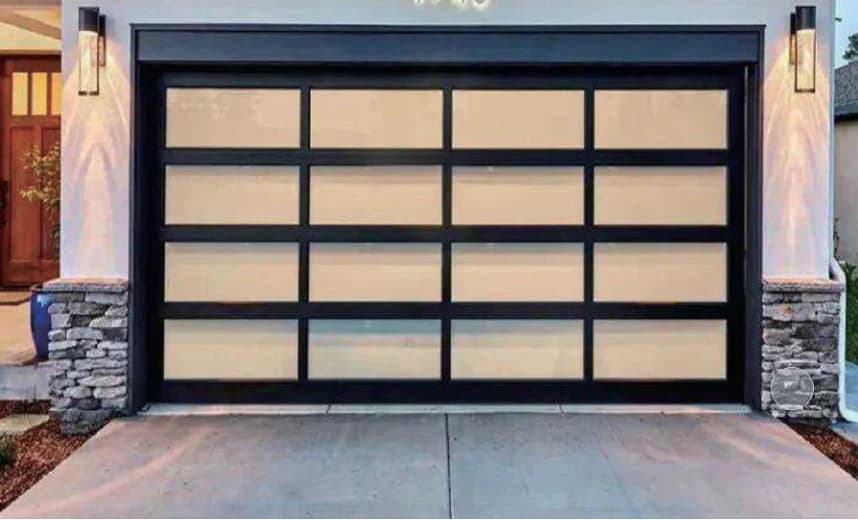
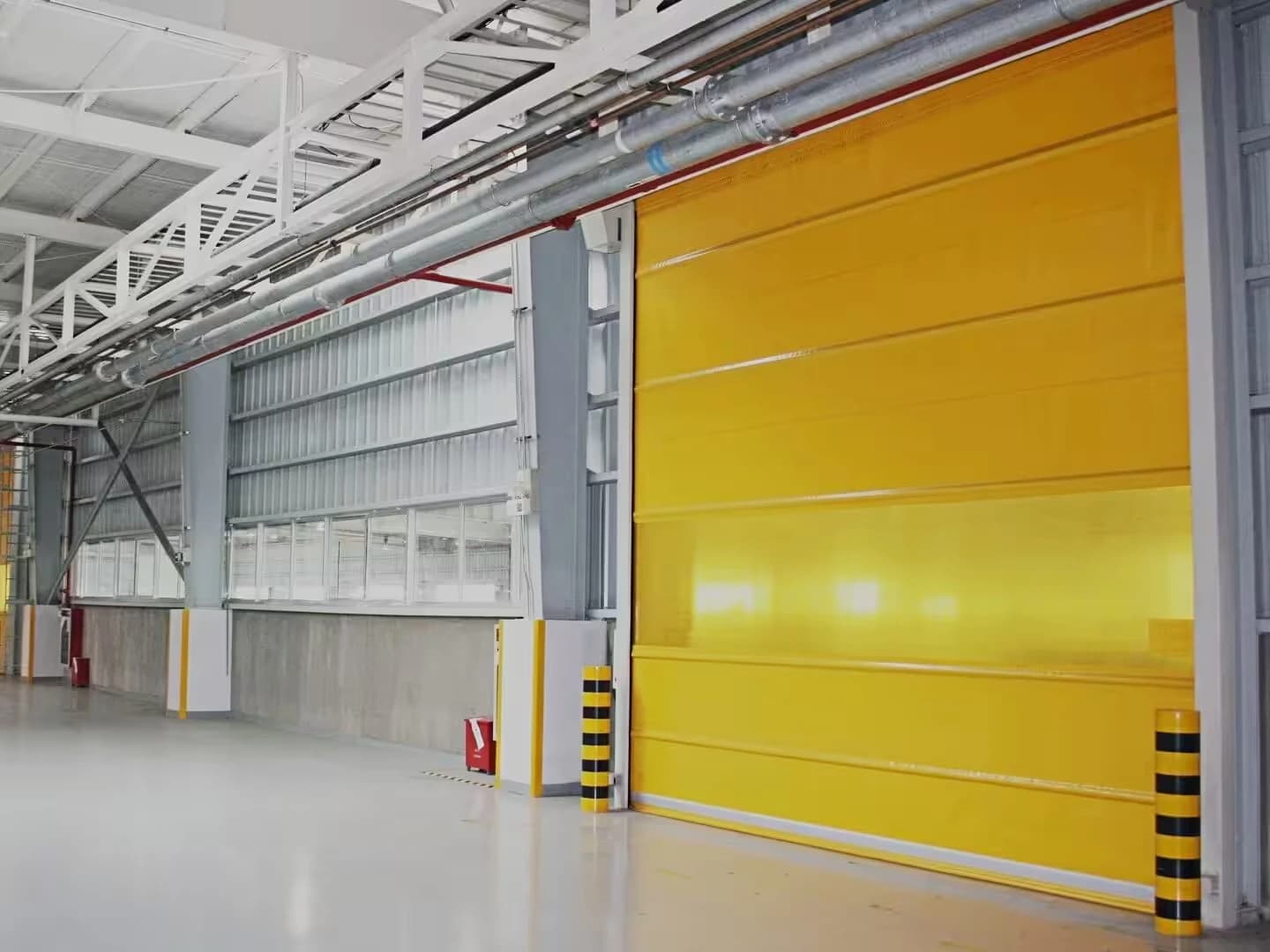
Do not assume a brochure photograph defines the supplied package. A vision panel, sensor, control station or fixing detail shown in a picture may not be included in the offer. Ask for the proposed equipment list and quantities.
For project documents, identify the evidence you need and the configuration it should cover. A generic statement about compliance should not replace the specific documentation required for your destination and project. Unresolved evidence belongs in the clarification list before order confirmation.
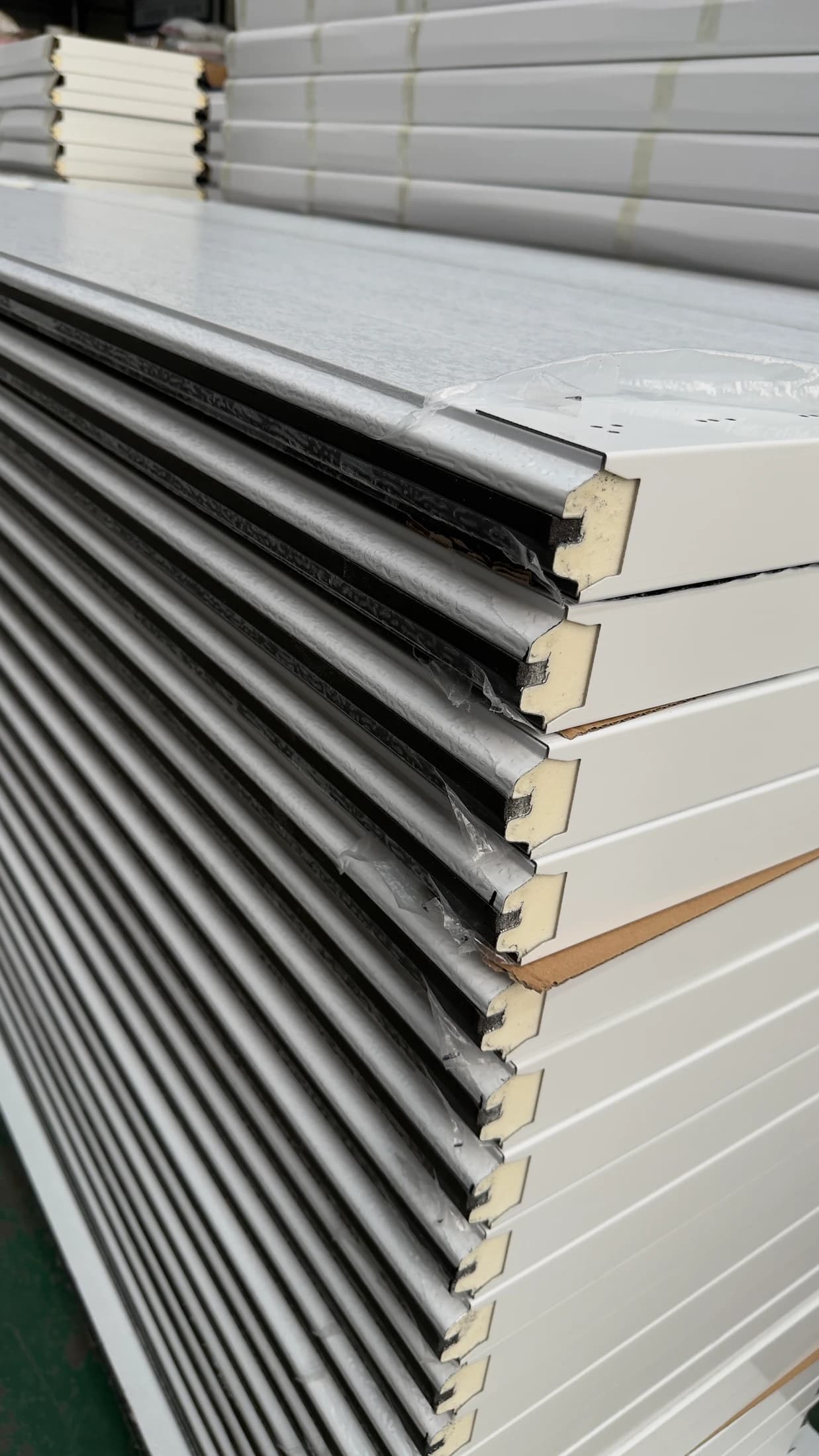
How should a distributor compare garage door hardware kits?
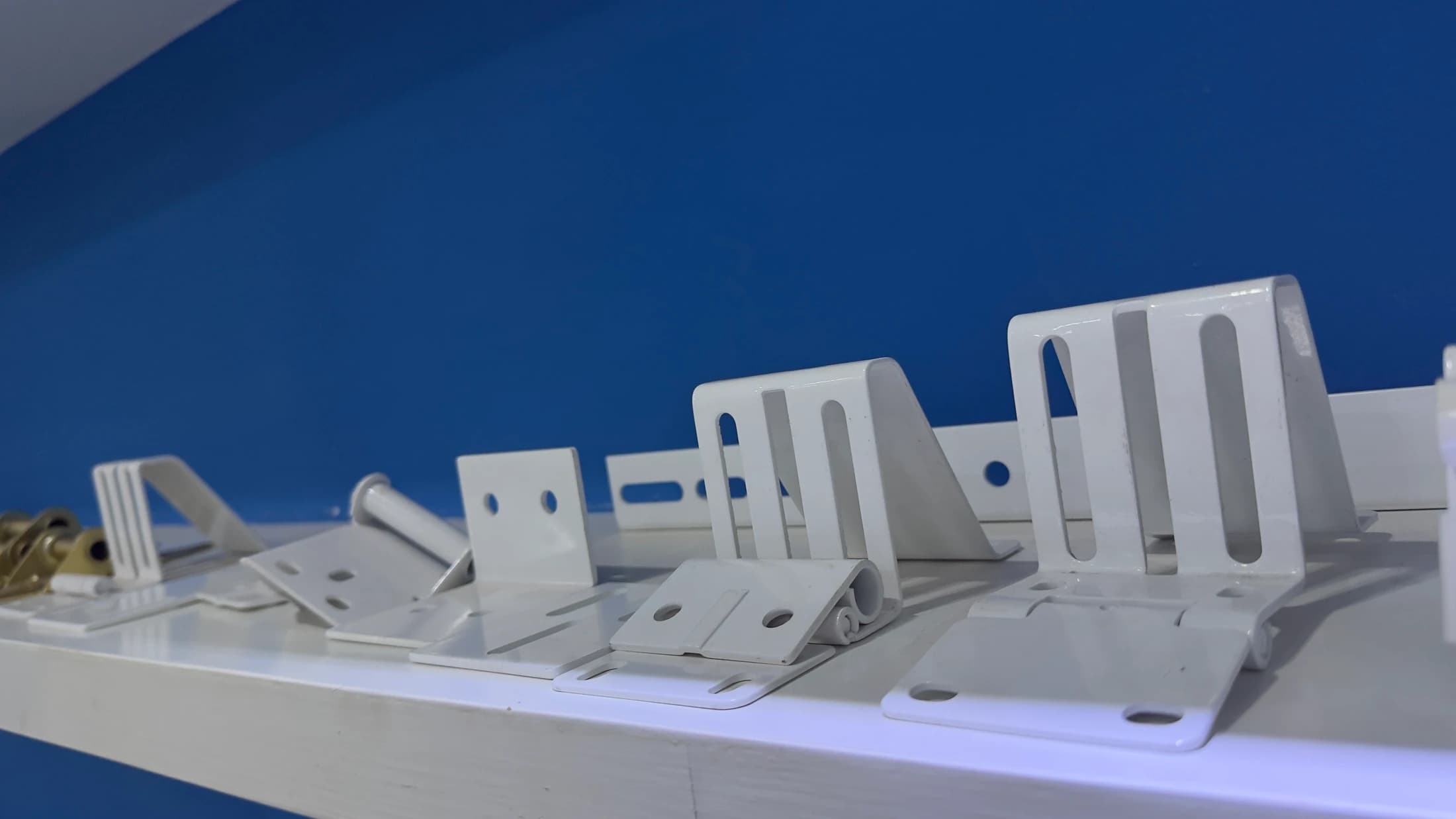
Use an itemised bill of materials with a quantity for each hinge, roller, track section, bracket, cable drum and spring included in the offer. Ask which components are excluded, how each kit is labelled and how replacement parts will be identified. A lower kit price is not a like-for-like saving when the component list, finish or lifting arrangement differs.
For a distributor, an itemised kit list also makes repeat ordering easier. Ask how the kit and individual parts will be identified, and which door assembly or drawing revision the list belongs to.
The words “standard hardware kit” do not tell you the number of rollers, hinges or brackets. Compare quantities and identifying details, not just a kit photograph or nominal door size. Where a component changes, ask whether the other interfaces also need review.
What should happen when the configuration changes?
Keep a dated record of the requested change, the drawing or parts-list revision, and the effects on price, timing and compatibility. Ask the supplying parties to confirm the revision before proceeding. This gives repeat orders a clear reference and helps avoid mixing components from different configurations.
A requested change should have a visible record: what changed, which document was revised, who confirmed it and whether it affects price, timing or compatibility. This can be a short controlled revision record; it does not need to be a long document.
Before accepting a revised price, make sure the current drawing and parts list describe the same configuration. Reusing the old drawing with a new quotation can leave the parties working from different assumptions.
Clarify the commercial basis
Request currency, unit prices, quantities, freight and tax scope, trade terms, validity and requested delivery schedule. Confirm which final selections could change the price and which responsibilities remain with the site team.
Ask for the named delivery location and clear allocation of freight, handling, taxes and site work. The purpose is to understand the scope of the offer, not to assume that a shipping term answers every installation question.
Separate your requested schedule from the supplier’s confirmed schedule and any conditions attached to it. If critical information is still missing, ask how and when the schedule will be confirmed rather than reading an indicative date as an unconditional promise.
What should you include in your enquiry?
You do not need to fill every gap before contacting me. Please share what is available and identify what is still uncertain, so the next questions can focus on your project.
| Record | What should be clear | If it is missing |
|---|---|---|
| Configuration reference | Current model, drawing and parts-list revisions. | Ask for a consolidated current reference. |
| Inclusions | Equipment and documents included in the price. | Request an itemised list. |
| Exclusions | Work and materials to be provided by others. | Assign responsibility before proceeding. |
| Acceptance basis | Agreed checks and required evidence. | Clarify what will demonstrate conformity. |
| Commercial details | Currency, units, totals, terms, validity and schedule basis. | Request a revised complete quotation. |
When further review is needed
Do not rank offers by price while important configuration or responsibility differences remain unresolved. This checklist supports procurement discussions; it does not replace the agreed contract or project-specific technical and commercial review.
Frequently asked questions
Is the lowest quotation necessarily a poor choice?
No. It may be competitive or based on a different scope. First establish whether the offered configuration and responsibilities match your requirement.
What does “complete door” include?
Ask the supplier to define it in writing. The phrase alone does not identify controls, accessories, installation work or documents.
Should optional items be included in the comparison?
Show them separately, then compare the totals for the configuration you actually need. Do not compare a base package with a fully equipped offer.
What should I do when a drawing changes?
Ask for the quotation and relevant parts list to be checked against the new revision, including any price or schedule effect.
Can I share another quotation for clarification?
You can share the configuration or unclear items you wish to discuss. Remove confidential supplier or commercial information you do not want to disclose.
Product Documents & Further Reading
This is a buyer’s checklist, not a configuration approval or installation instruction. Review the product documents and confirm the selected assembly against your requirements. The illustrations explain what to look at; they do not establish dimensions or performance.