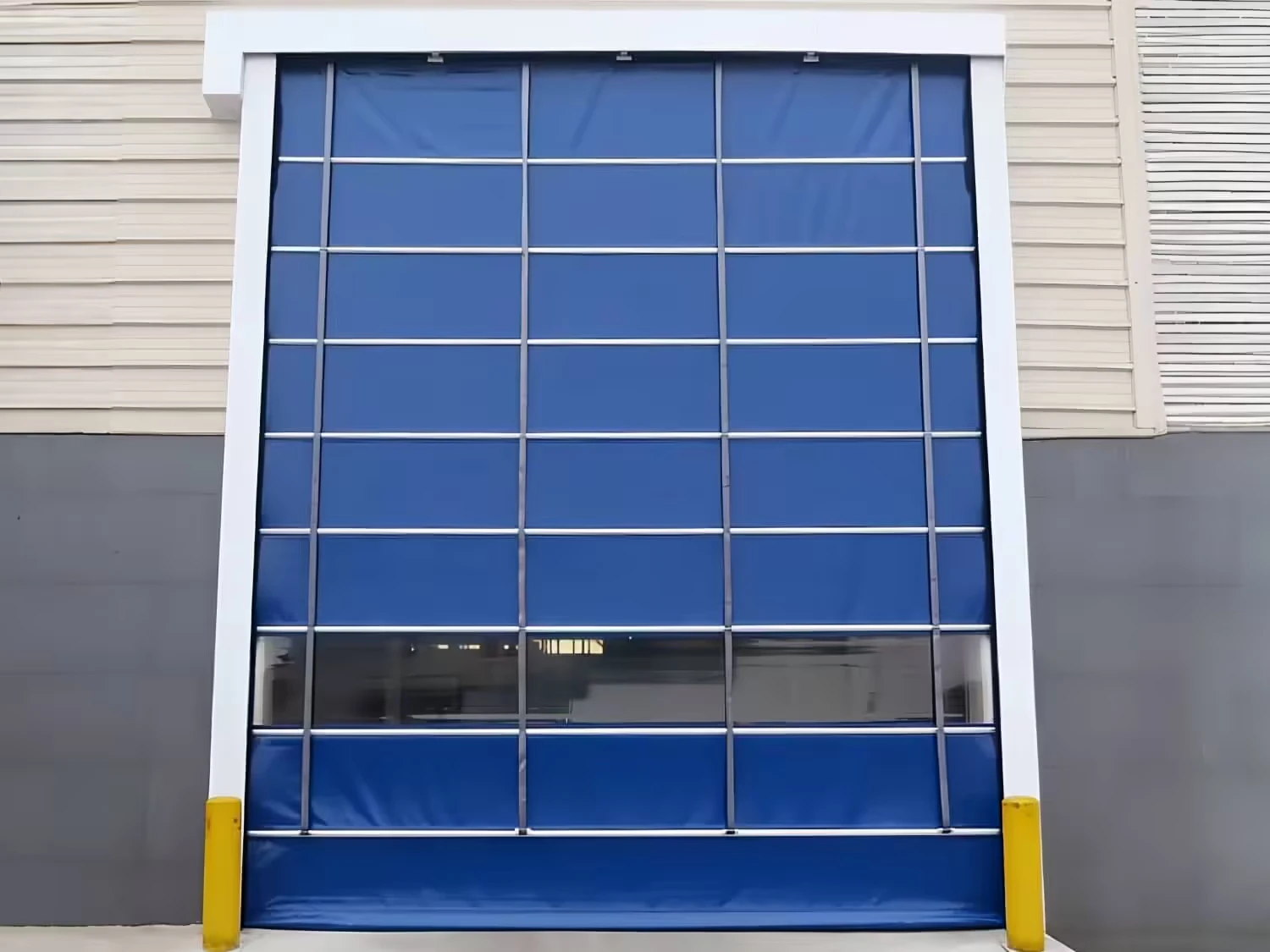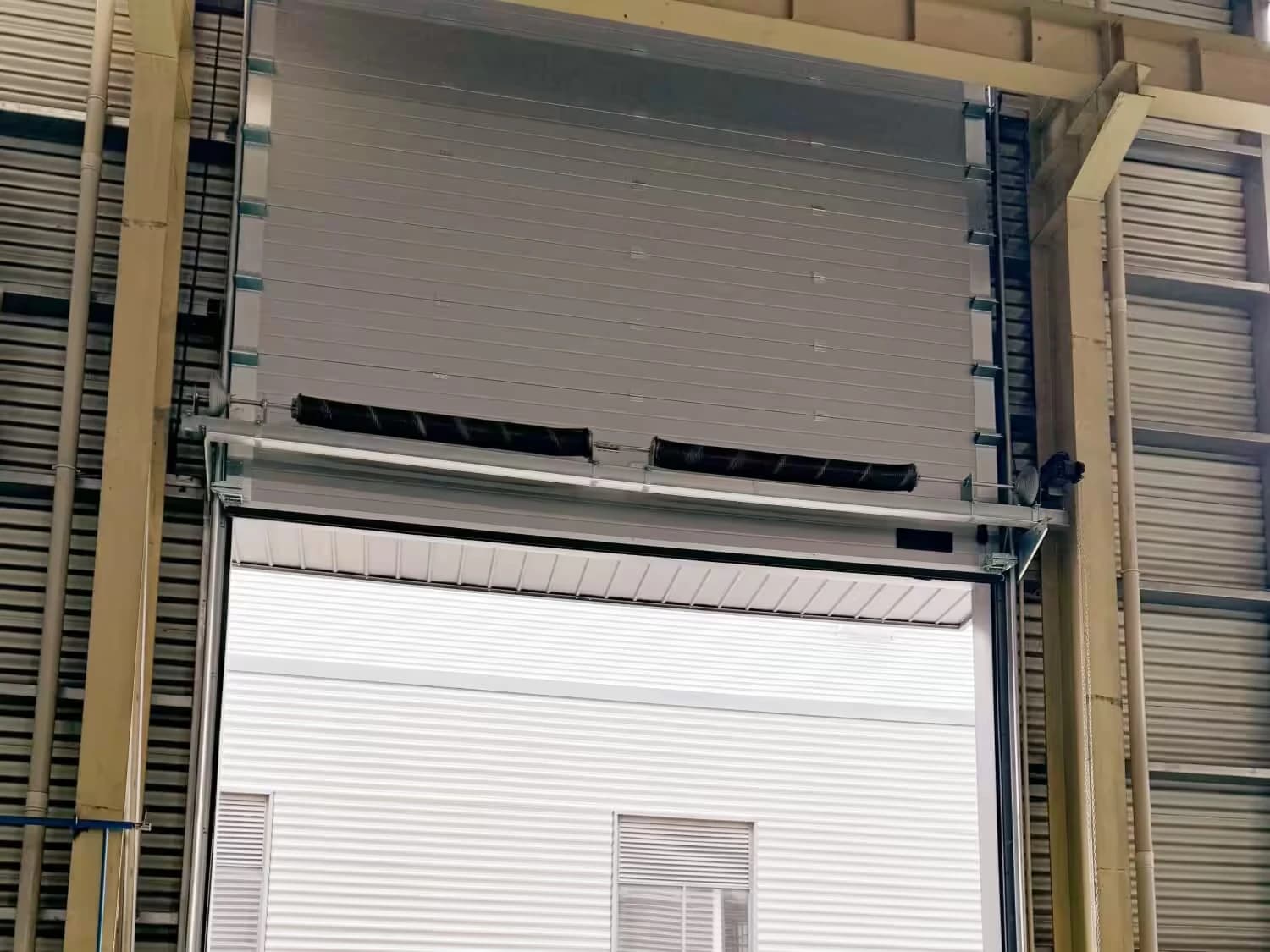
Warehouse Door Selection: What Should You Tell Your Supplier First?
Describe what passes through each opening, peak traffic, the environment on both sides and available installation space. Give each opening its own reference. The building type alone is not enough to select a door or prepare comparable quotations.

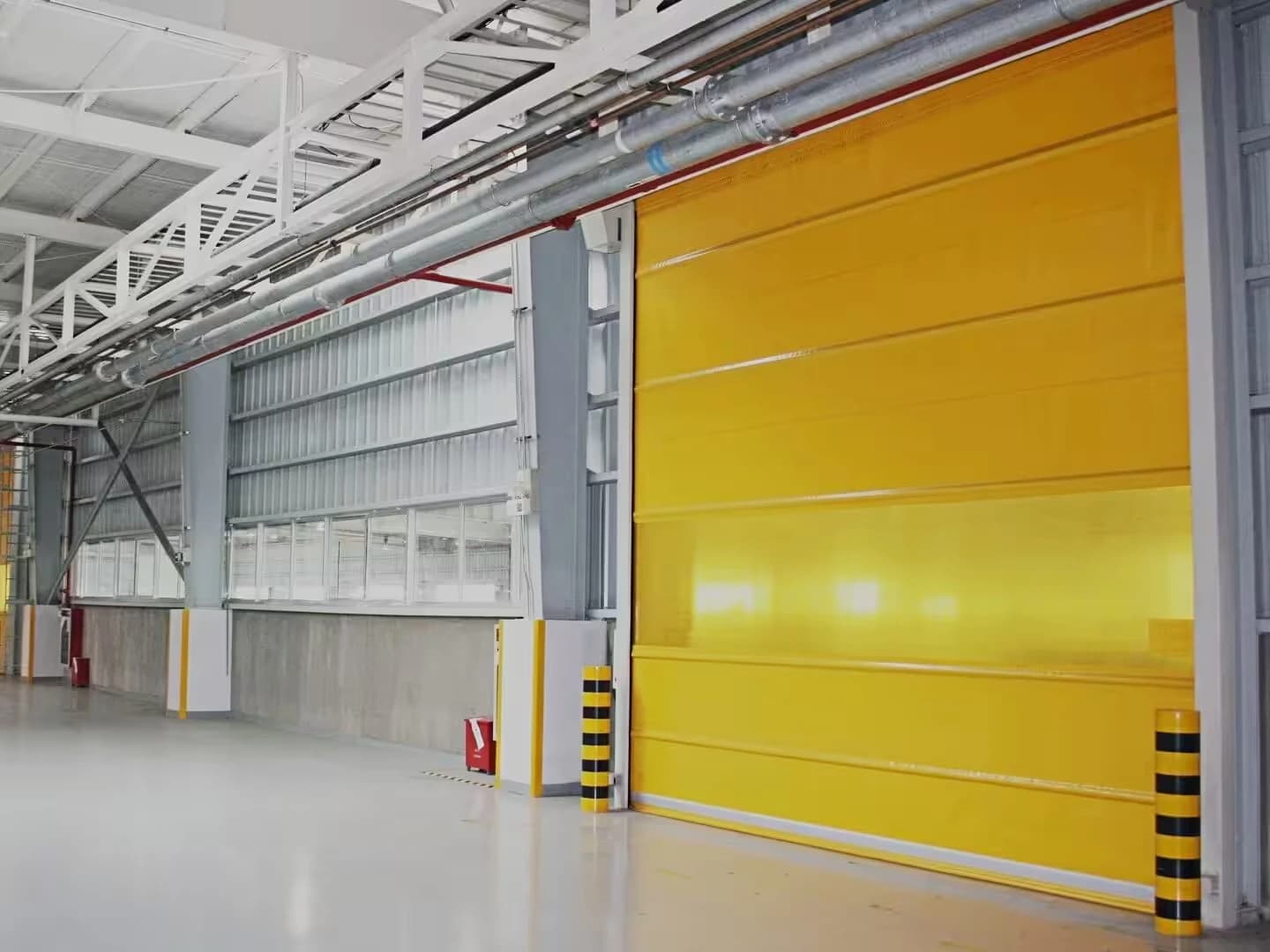

You may know that you need a warehouse door without knowing which type to request. I would begin with a short description of your operation, not a catalogue model. That gives the selection discussion a useful starting point and helps keep assumptions visible.
Describe what passes through each opening, peak traffic, the environment on both sides and available installation space. Give each opening its own reference. The building type alone is not enough to select a door or prepare comparable quotations.
At a glance
| Review item | Information to identify | Decision or confirmation |
|---|---|---|
| Traffic | Largest load and peak movements | Operating duty and activation |
| Location | Indoor/outdoor and adjacent areas | Exposure and separation |
| Building | Opening and surrounding clearances | Installation arrangement |
| Scope | Quantity and required site work | Comparable quotation basis |
What happens at the busiest time?
Record peak movements and the largest vehicle or load, rather than only an average number of openings per day.
A passage used repeatedly during dispatch can have a different duty pattern from an entrance opened for occasional deliveries. I would ask when congestion occurs, whether vehicles approach at an angle and whether the door is routinely left open. Describe the operational problem you want to change; do not choose a speed merely because it is the largest number on a brochure.
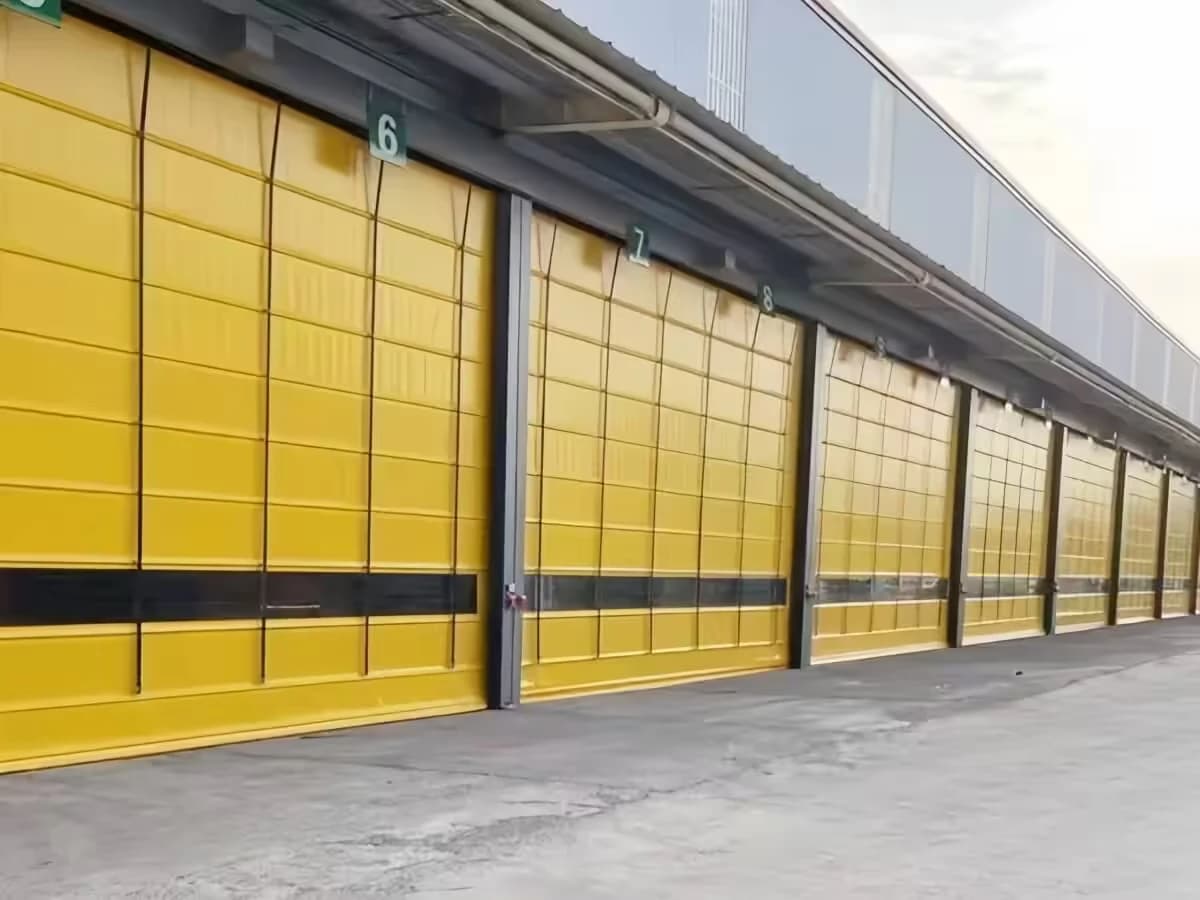
Do all warehouse openings need the same door?
Separate the brief for internal passages, external openings and any area with special separation requirements.
Equal-sized openings can face different exposure, traffic and closure needs. Give them references such as Opening A and Opening B, with matching photographs. If you want a common specification for maintenance or repeat purchasing, explain that preference, then ask which differences still require separate configurations.
How should you describe separation requirements?
Explain what the closed opening must separate and what conditions occur on each side.
Temperature, dust, cleaning and outdoor exposure are distinct questions. A general phrase such as “industrial use” does not describe them. Share your project criteria where available and mark missing information. I would ask the supplier which evidence supports the proposed configuration, rather than assume that an application photograph establishes performance.
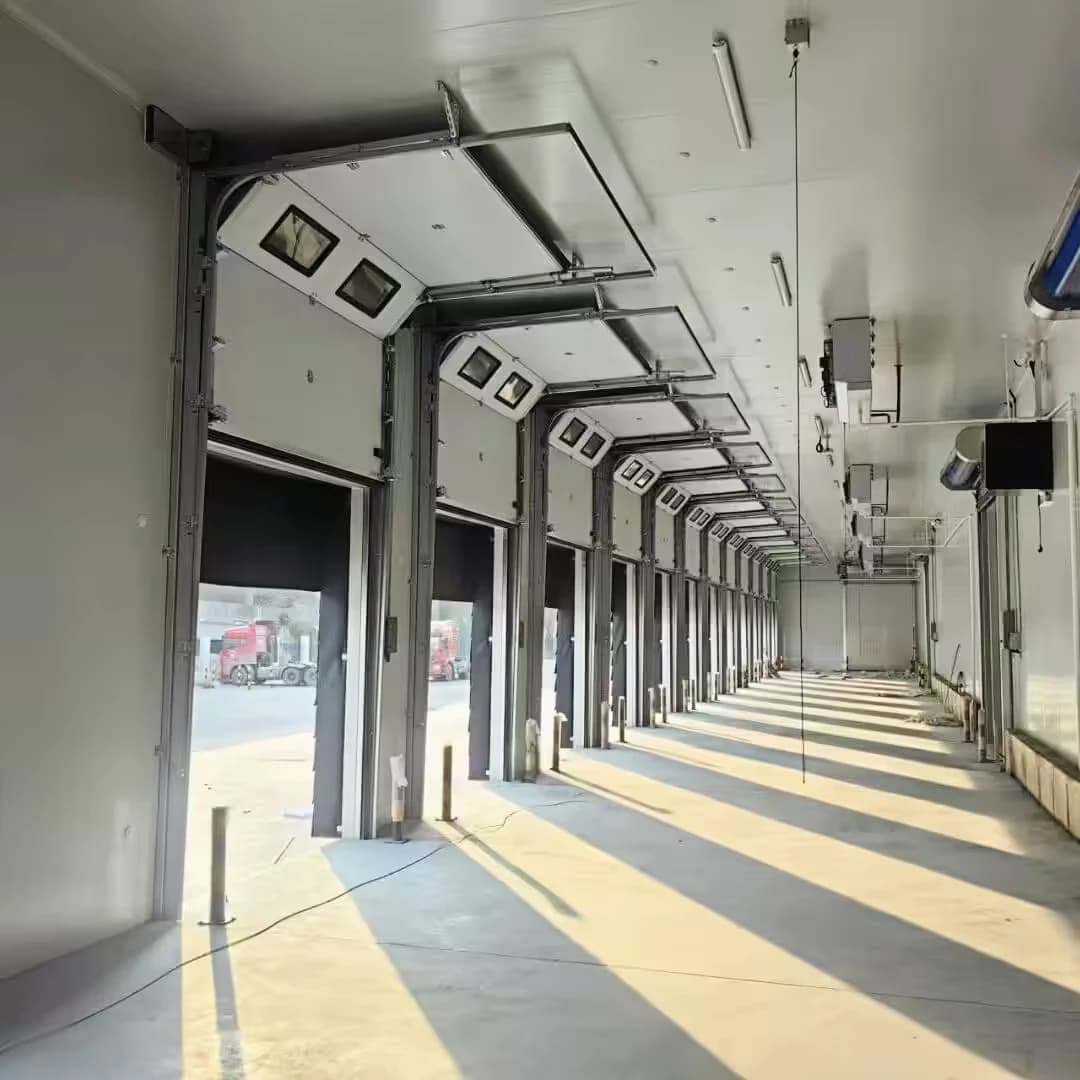
How do you turn the brief into comparable offers?
Send the same opening schedule and required supply scope to every supplier you compare.
Keep alternatives visible as alternatives. A proposal may change the door construction, controls or installation responsibilities, and those changes should be easy to identify. Before accepting a total, check that the proposed model, included equipment and unresolved questions are all tied to the same opening reference.
What should you include in your enquiry?
You do not need to fill every gap before contacting me. Please share what is available and identify what is still uncertain, so the next questions can focus on your project.
| Share | Include | Check |
|---|---|---|
| Opening schedule | One reference and size per opening | Mark estimates |
| Site photographs | Both sides and overhead area | Match filenames to opening references |
| Use description | Vehicles, people and peak periods | Describe current problems |
| Required outcome | Separation and closure needs | Identify unconfirmed criteria |
When further review is needed
Specialist environmental or project requirements need their own evidence. This brief does not establish a door’s performance or approve an installation.
Frequently asked questions
Can I start without choosing a model?
Yes. Describe the opening and operating need so the model discussion has a clear basis.
Should I specify maximum speed?
Explain the traffic problem first and ask how the proposed operating sequence addresses it.
Can equal openings use one specification?
Possibly, but exposure, usage and installation conditions should be compared first.
Does a warehouse photograph prove suitability?
No. It provides context; the specific configuration and site requirements need review.
Product Documents & Further Reading
This is a buyer’s checklist, not a configuration approval or installation instruction. Review the product documents and confirm the selected assembly against your requirements. The illustrations explain what to look at; they do not establish dimensions or performance.