Low-Headroom Door Planning: What Must Fit Above and Behind the Opening?
Check the lowest obstruction, available depth, side space and proposed operator position together. There is no universal clearance in this guide: the selected track and drive arrangement must be shown against the actual building.

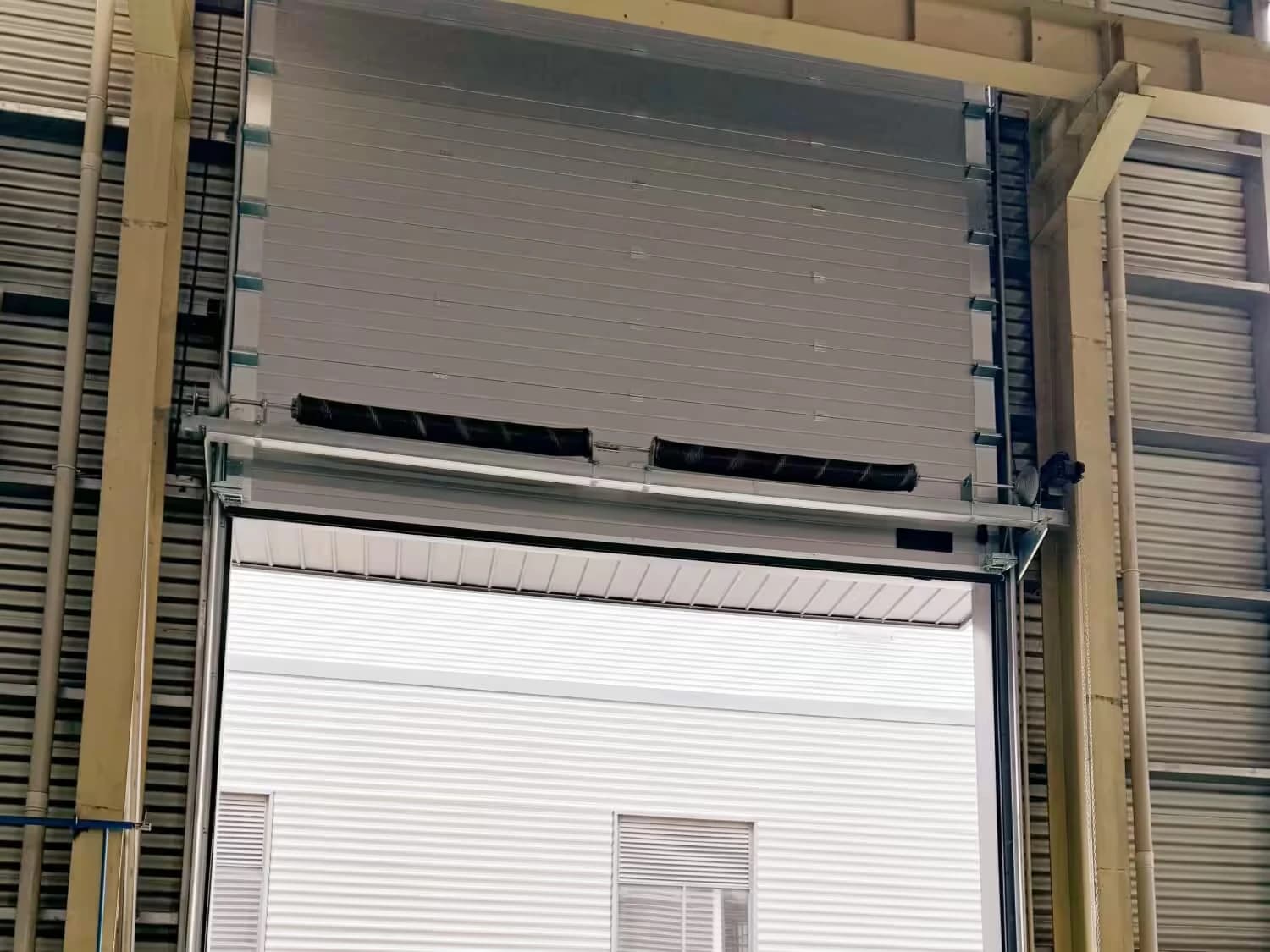
A buyer may send me one measurement above a garage opening and ask whether a door will fit. That measurement helps, but it does not show the entire movement or maintenance space. I would ask for a simple side view before discussing the arrangement.
Check the lowest obstruction, available depth, side space and proposed operator position together. There is no universal clearance in this guide: the selected track and drive arrangement must be shown against the actual building.
At a glance
| Review item | Information to identify | Decision or confirmation |
|---|---|---|
| Above opening | Lowest obstructions and their positions | Proposed track clearance |
| Behind opening | Available depth and services | Complete travel route |
| Beside opening | Both side clearances | Mounting and drive space |
| Access | Inspection and service areas | Maintainable arrangement |
Where should the headroom measurement end?
Identify the lowest relevant obstruction, not just the ceiling.
Beams, pipes and cable trays can occupy different parts of the proposed route. Show their location and depth on a sketch rather than subtracting one number from the entire ceiling height. If the area cannot be measured safely, mark it for a site survey rather than estimating a final installation dimension.
What is behind the opening?
Record available depth and equipment near the possible track path.
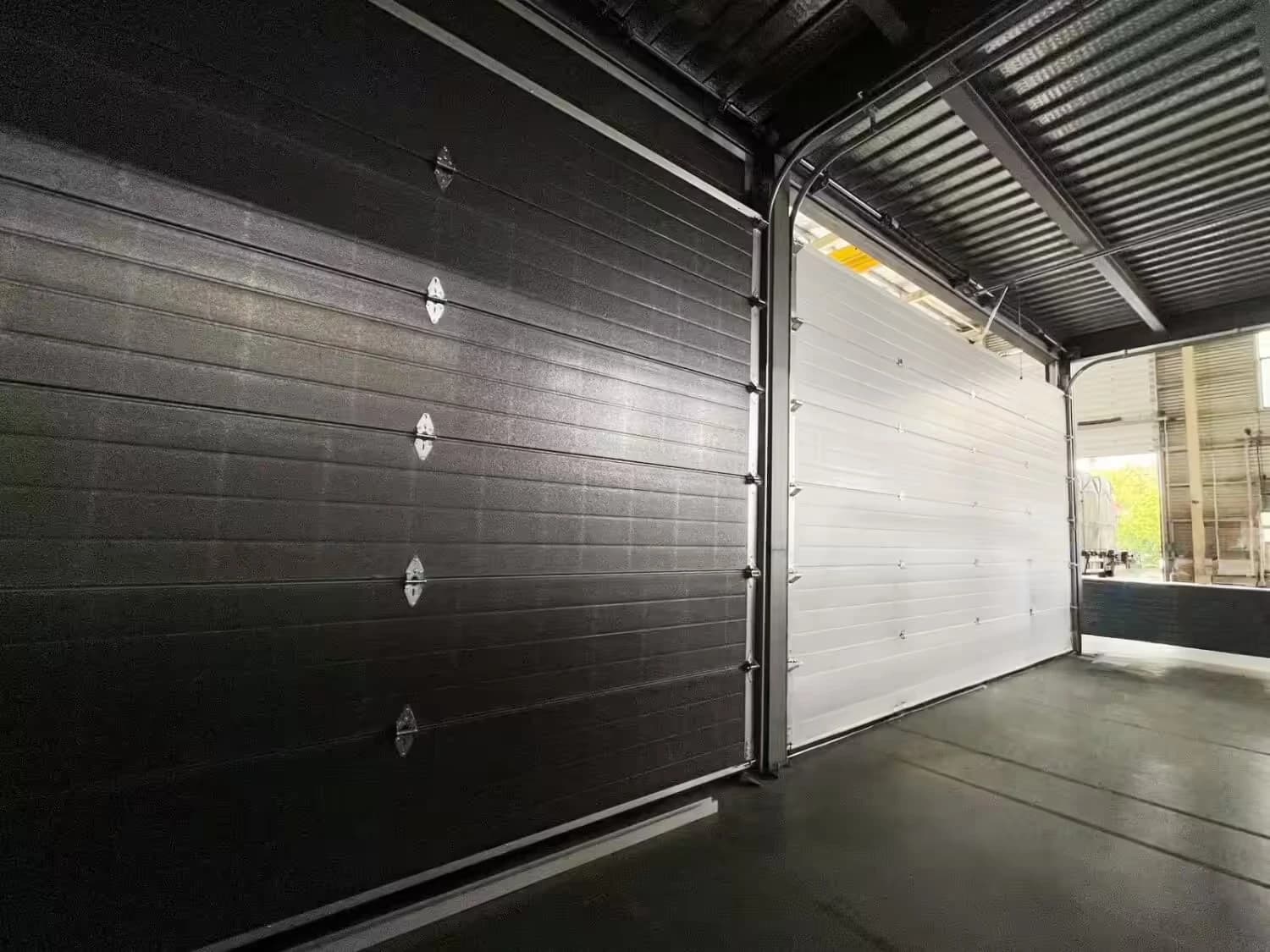
A clear strip directly above the opening does not show what happens farther inside. Lighting, stored goods and services can matter to the proposed layout. I would ask for a wider photograph and a side-section sketch, then have the selected arrangement checked against those conditions before comparing prices.
Where will the operator and controls go?
Include the drive and its access needs in the layout review.
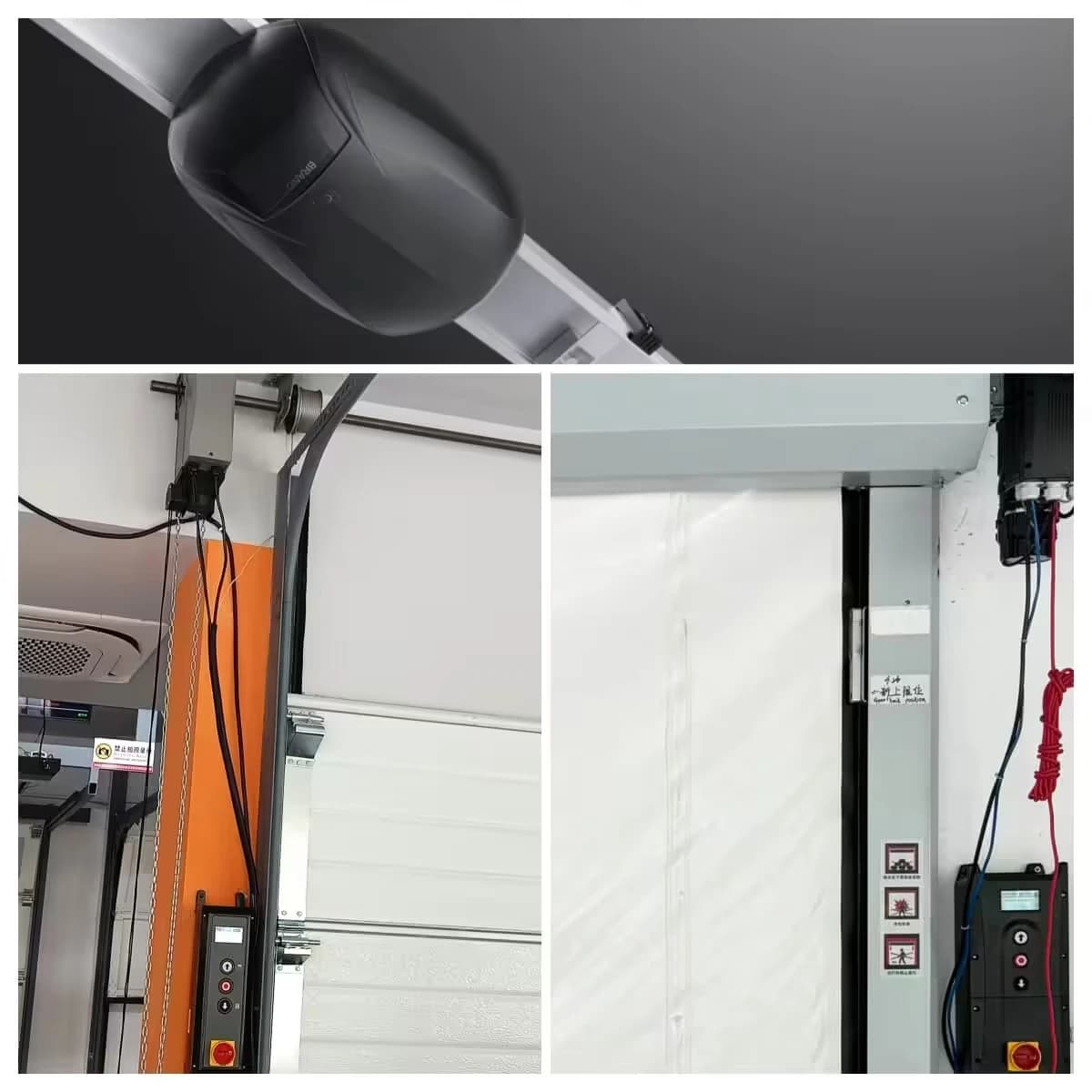
Do not reserve space for panels and tracks while leaving the operator as a later decision. Ask the proposal to show mounting and drive interfaces and identify electrical work by others. An existing opener should not be assumed reusable merely because it served the previous door.
What should be confirmed before ordering?
Use one drawing revision that shows the final opening and the proposed assembly.
Record planned changes to floors, ceilings or services and identify who verifies the finished dimensions. If the arrangement changes, ask for the effect on the quote and site work to be confirmed. A low-headroom product description is not a substitute for that project-specific drawing review.
What should you include in your enquiry?
You do not need to fill every gap before contacting me. Please share what is available and identify what is still uncertain, so the next questions can focus on your project.
| Share | Include | Check |
|---|---|---|
| Front photograph | Opening and both sides | Label dimensions |
| Side sketch | Ceiling, beams and depth | Mark uncertain values |
| Operator information | Existing model if retained | Request compatibility review |
| Final drawing | Current revision and site condition | Confirm before order |
When further review is needed
This is a planning checklist, not a track modification or installation procedure. Final dimensions and structural interfaces require qualified review.
Frequently asked questions
Is a low-headroom option always possible?
Do not assume so; the complete proposed arrangement needs checking.
Is ceiling height enough?
No. Show obstructions and their positions along the route.
Can an old opener be retained?
Its model and interfaces must be checked against the proposed assembly.
Can I enquire before a site survey?
Yes, with estimates clearly marked and final dimensions left for confirmation.
Product Documents & Further Reading
This is a buyer’s checklist, not a configuration approval or installation instruction. Review the product documents and confirm the selected assembly against your requirements. The illustrations explain what to look at; they do not establish dimensions or performance.