High-Speed Door Activation: Which Questions Should You Ask About Controls?
Describe vehicle and pedestrian approaches, the desired operating sequence and existing interfaces before selecting activation options. Opening commands and protective functions are different; both must be specified for the complete system.


A list of radar, pull-cord and remote options does not tell you which arrangement suits your passage. I would start with how people and vehicles approach the opening, then ask how the proposed sequence will work in those conditions.
Describe vehicle and pedestrian approaches, the desired operating sequence and existing interfaces before selecting activation options. Opening commands and protective functions are different; both must be specified for the complete system.
At a glance
| Review item | Information to identify | Decision or confirmation |
|---|---|---|
| Automatic approach | Traffic routes and unwanted triggers | Proposed detection arrangement |
| Deliberate command | User access and operating positions | Requested command devices |
| Existing systems | Available interface documents | Compatibility review |
| Protection | Project requirements and users | Named functions and verification |
Who needs to trigger the door?
Map the approach routes and users before comparing control devices.
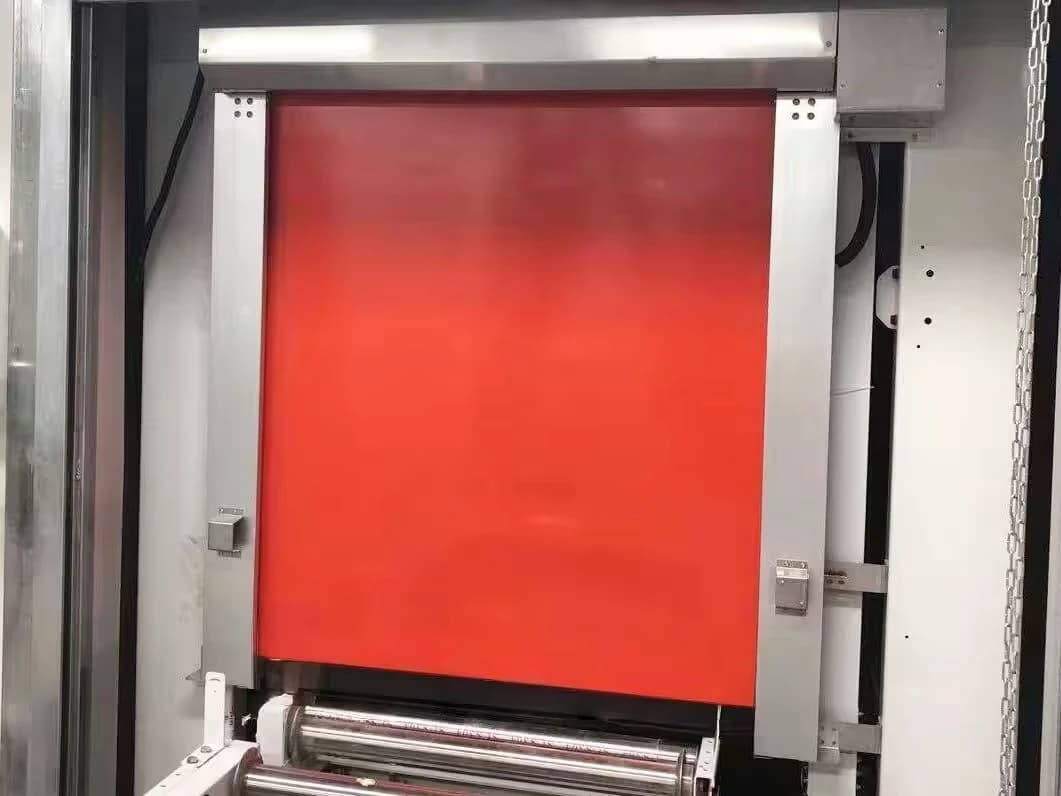
Describe vehicle direction, waiting areas and nearby movement that should not activate the opening. If people share the area, identify the intended pedestrian route. A device name alone does not describe where it will be located or how it will respond to the actual traffic.
What operating sequence do you need?
Explain when the door should open, remain open and close.
I would ask you to describe a typical passage and a busy-period passage. Include any access restriction or need to coordinate with other equipment. Ask the proposal to explain that sequence in plain language. Do not assume an accessory can provide every requested function without confirming its interfaces.
Does activation also provide protection?
Do not treat an opening command as proof that all protective functions are covered.
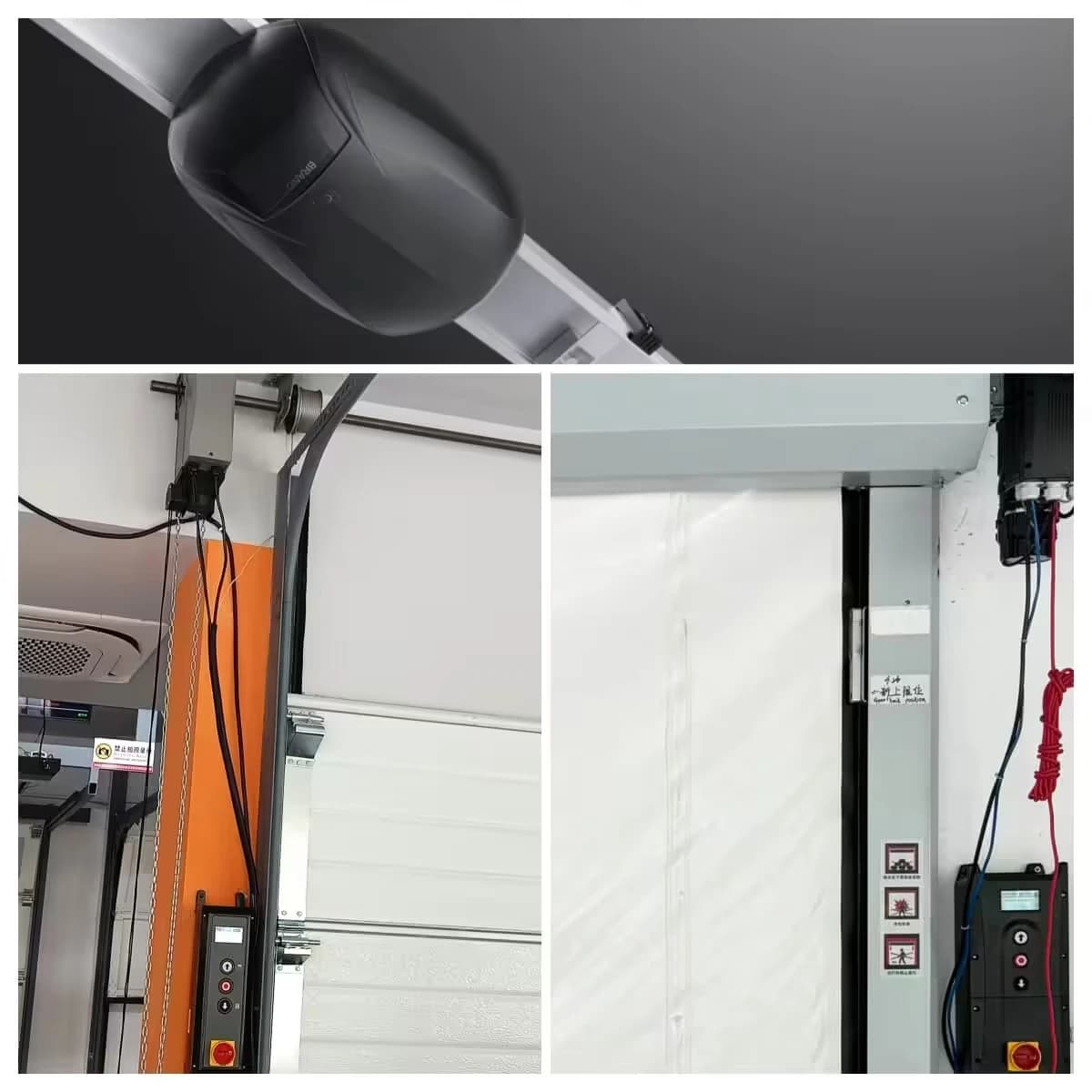
Ask the supplier to identify each device, its intended function and its place in the complete configuration. Site-specific protective requirements need technical review. This avoids a quotation that lists a sensor but leaves its role ambiguous. It also gives the site team a clearer basis for commissioning.
What belongs in the control quotation?
List the selected devices, wiring interfaces and site responsibilities.
Ask whether control stations, remotes, mounting parts and connection work are included or optional. Identify an existing access-control system by its documentation rather than assuming compatibility. Before changing an option, ask for the operating sequence and price to be checked together.
What should you include in your enquiry?
You do not need to fill every gap before contacting me. Please share what is available and identify what is still uncertain, so the next questions can focus on your project.
| Share | Include | Check |
|---|---|---|
| Traffic sketch | Vehicles and people | Show both approaches |
| Desired sequence | Opening, waiting and closing | Include exceptional situations |
| Existing interfaces | System references and documents | Do not guess electrical compatibility |
| Offer | Devices, connection work and commissioning | Identify exclusions |
When further review is needed
This is a specification checklist, not a wiring diagram or safety-system design. Device selection and commissioning require appropriate technical review.
Frequently asked questions
Is radar always the right choice?
Selection depends on the approach and intended sequence; request a configuration-specific proposal.
Can a remote replace all sensors?
An opening command does not establish the protective arrangement.
Can the door connect to existing access control?
Provide the interface information and ask for compatibility confirmation.
Should all accessories be included in one price?
Ask for a clear included/optional list so you can compare equivalent packages.
Product Documents & Further Reading
This is a buyer’s checklist, not a configuration approval or installation instruction. Review the product documents and confirm the selected assembly against your requirements. The illustrations explain what to look at; they do not establish dimensions or performance.