Garage Door Hardware Kit Quotation Checklist for Distributors
Compare hardware kit quotations against one bill of materials: component identity, quantity per door, mating interfaces, finish, exclusions and packing. Tie the kit to a door configuration and drawing revision. A “complete kit” description or total price cannot show whether two offers contain equivalent parts.

Two suppliers quote a hardware kit for the same nominal garage door size, but their prices differ. Before asking for a discount, I would check what each kit actually contains. For a distributor, a clear parts list also makes repeat ordering and customer support easier to organise.
Compare hardware kit quotations against one bill of materials: component identity, quantity per door, mating interfaces, finish, exclusions and packing. Tie the kit to a door configuration and drawing revision. A “complete kit” description or total price cannot show whether two offers contain equivalent parts.
At a glance
| Review item | What to compare | What to confirm |
|---|---|---|
| Component identity | Part number, description and drawing | Avoid visually similar substitutions |
| Quantity basis | Pieces, pairs or sets per door | Separate installation quantity from spares |
| Interface | Panel, track, shaft and mounting references | Confirm compatibility across suppliers |
| Commercial scope | Finish, packing, exclusions and terms | Compare equivalent quotations |
| Repeat purchase | Accepted BOM and revision | Review every proposed change |
What should a hardware kit BOM contain?
Each line should identify a component, its specification reference, quantity and unit.
Use a part reference or drawing reference alongside the description. “Roller” or “bracket” alone may not distinguish the variants needed by the assembly. Separate left and right parts where applicable and make it clear whether a quantity means individual pieces, pairs or sets.
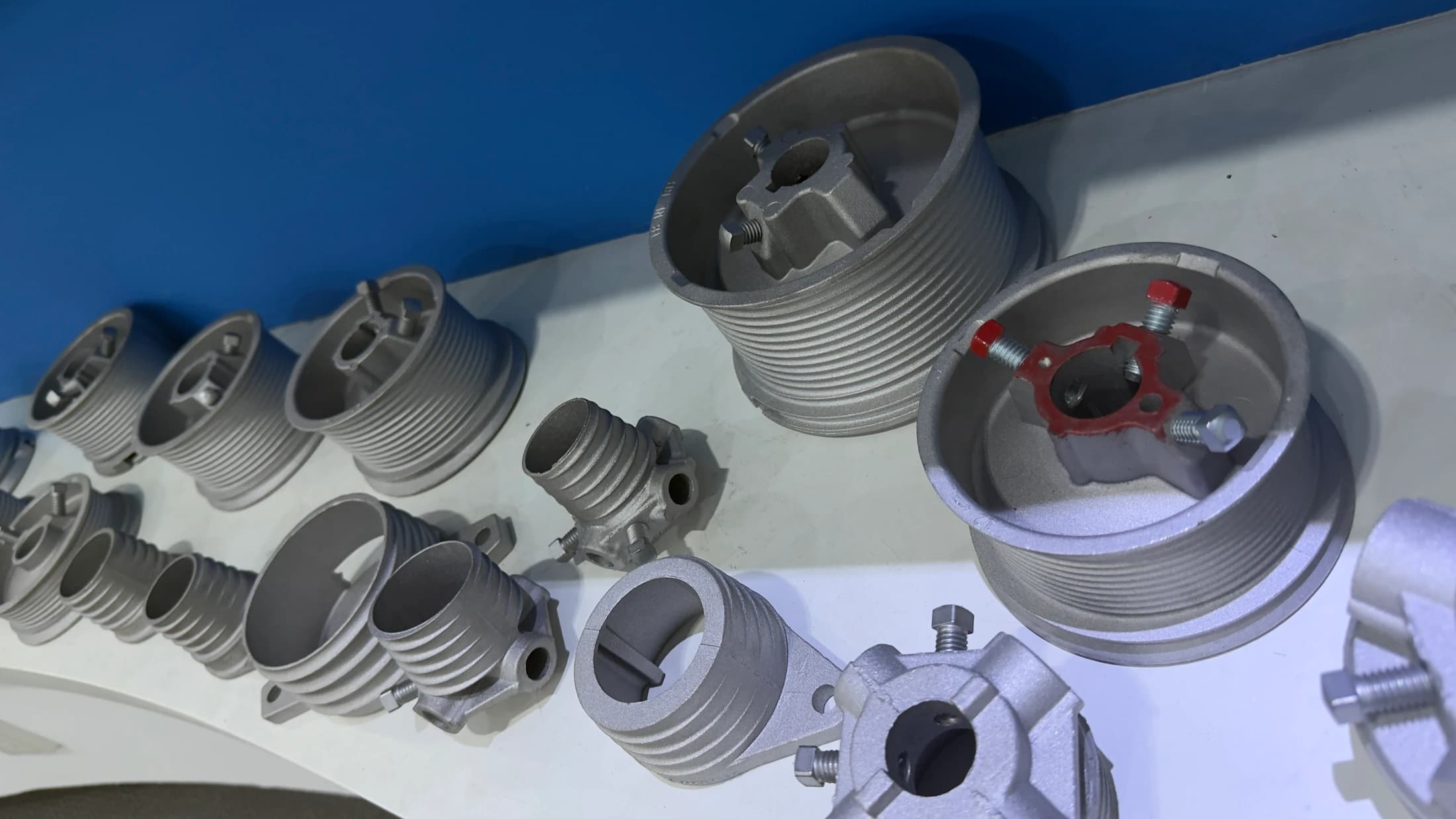
I would organise the list by function: track and supports, panel connections, shaft and counterbalance interfaces, cables and drums, seals and fasteners. These are review groups, not a promise that every item is included in every JBL kit. Mark included, optional and buyer-supplied items explicitly.
Which dimensions affect compatibility?
Check the interfaces between parts, not just the overall door width and height.
A kit enquiry should identify the door construction, panel arrangement, track layout and relevant shaft and mounting details. If the panels come from another source, share their interface drawings. Similar-looking hinges or brackets are not enough to establish a fit.
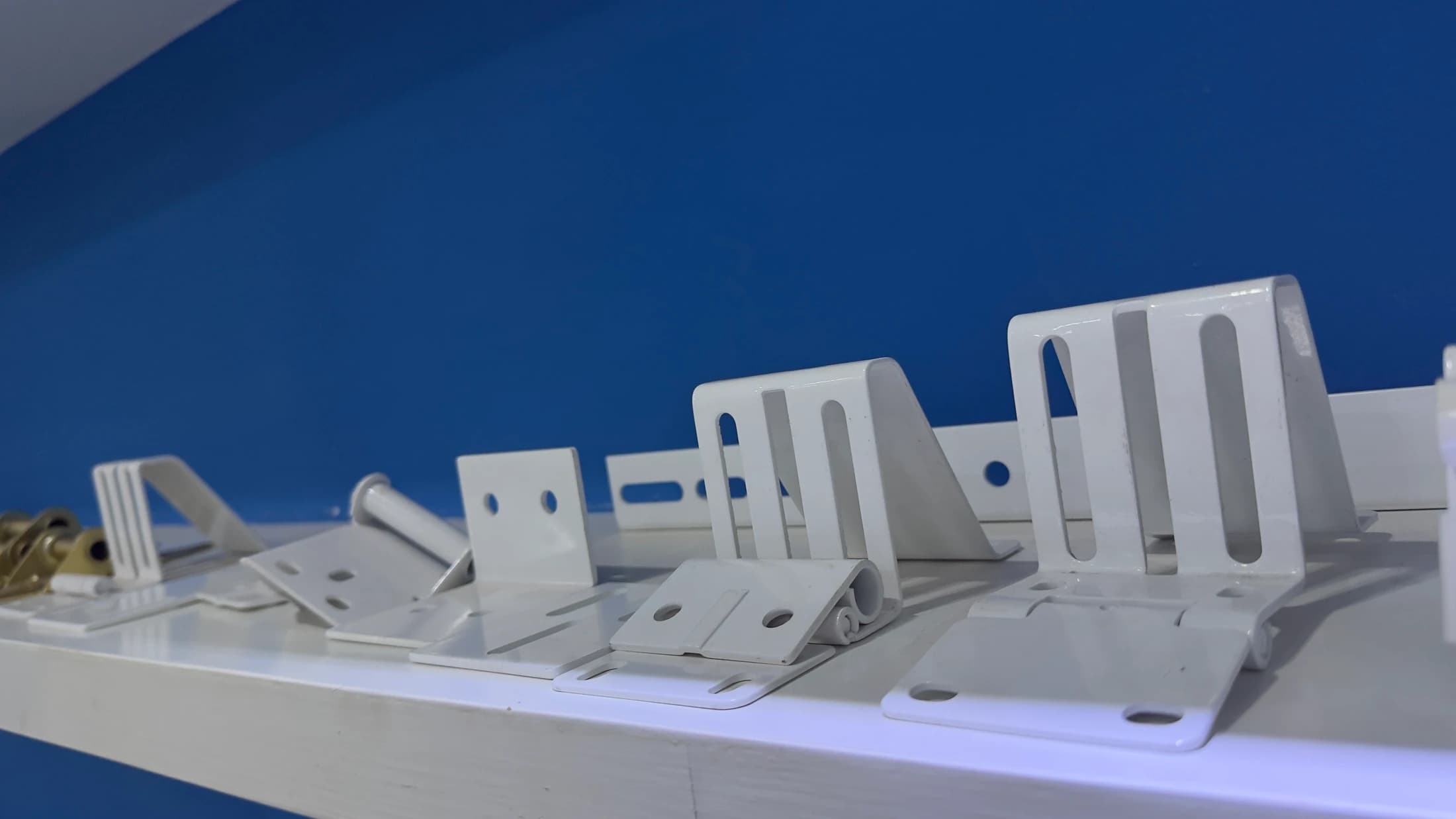
For replacement components, photographs are useful for orientation, but a dimensional reference is still needed. I would keep any proposed substitute separate from the original part number until its suitability is confirmed. Do not let a visually similar item silently become the approved replacement.
How do you compare two kit prices fairly?
First reconcile the scope, then compare the price on the same commercial basis.
Build a comparison with one BOM line per row and one offer per column. Highlight missing quantities, unspecified finishes and alternative components. This makes it possible to ask a focused question: is the difference a scope omission, a specification change or a genuine price difference?
Also align currency, order quantity, packing, delivery terms and quotation validity. A unit price without these conditions is incomplete. I would avoid inventing a landed-cost estimate until the destination and transport basis are known; show any unquoted cost as pending instead of zero.
What helps installers receive a mixed order?
Agree how the parts and packages will map to each door configuration.
A distributor ordering several door sizes may prefer separate kits, while another may plan local sorting from bulk cartons. Record the preferred approach in the enquiry and ask the supplier to confirm what is offered. The packing list should make quantities and configuration references traceable.
Keep spare parts separate from the installation quantity. For example, a hypothetical order for ten doors plus service stock should distinguish ten installation sets from the additional spare components. Otherwise, the receiving team may distribute the spares unevenly or mistake them for an over-delivery.
How do you make repeat orders more reliable?
Repeat the confirmed revision, and require substitutions to be identified before acceptance.
Keep the accepted BOM, drawings and any approved deviations together. A message asking for “the same kit again” becomes ambiguous when panel construction, the supplier part number or the packing arrangement has changed. Include the original order reference and the revision you want repeated.
I would ask the supplier to list changes against that baseline rather than send an entirely new description without a comparison. Review compatibility, price and delivery effects together. This creates a practical purchasing record without assuming that an earlier configuration is appropriate for a new installation.
What should you include in your enquiry?
You do not need to fill every gap before contacting me. Please share what is available and identify what is still uncertain, so the next questions can focus on your project.
| Information | Include | Review |
|---|---|---|
| Door configuration | Size, panel arrangement and track layout | One reference for each variant |
| Parts list | Specifications, quantities and units | Identify optional and excluded items |
| Interface evidence | Drawings and identification photographs | Flag dimensions needing confirmation |
| Order basis | Quantity, destination and preferred packing | Separate requested terms from confirmed terms |
| Repeat order | Previous order and BOM revision | Request an explicit deviation list |
When further review is needed
A BOM records scope; it does not by itself establish load capacity, spring selection or suitability for a particular door. Those matters require the applicable configuration review. Photographs are illustrative, not dimensional inspection evidence.
Frequently asked questions
Does “complete kit” include every fixing?
Not necessarily. Check the actual BOM and exclusions, including any building fixings or supports supplied locally.
Can I buy hardware for panels from another supplier?
Provide the panel and interface information so compatibility can be reviewed before the order is accepted.
Should spares be included in the per-door quantity?
List them separately so the installation count and service stock remain clear.
Can I reorder using only the old invoice?
Use the invoice reference together with the accepted BOM and drawing revision; the invoice may not contain every technical detail.
Product Documents & Further Reading
This is a buyer’s checklist, not a configuration approval or installation instruction. Review the product documents and confirm the selected assembly against your requirements. The illustrations explain what to look at; they do not establish dimensions or performance.