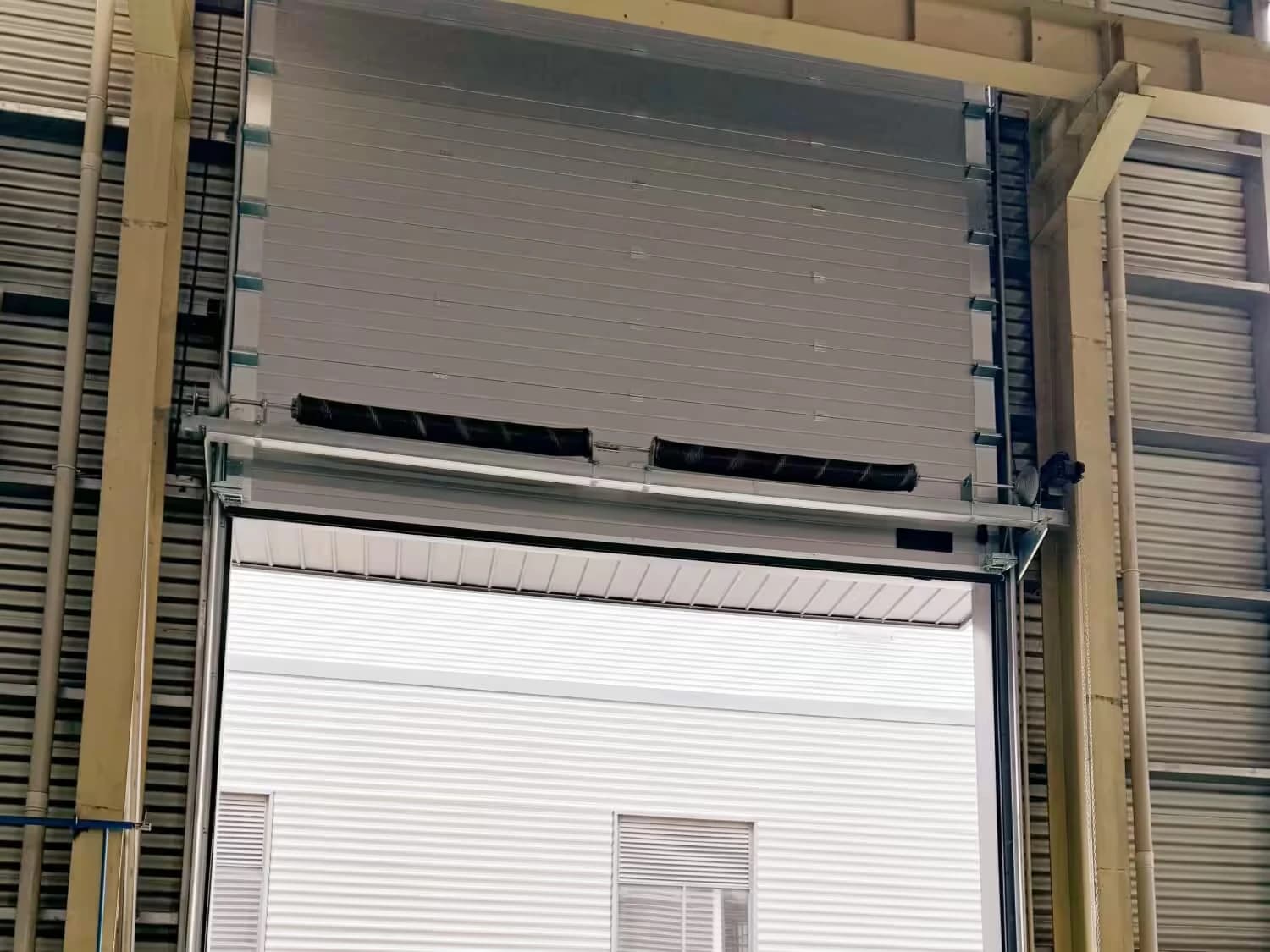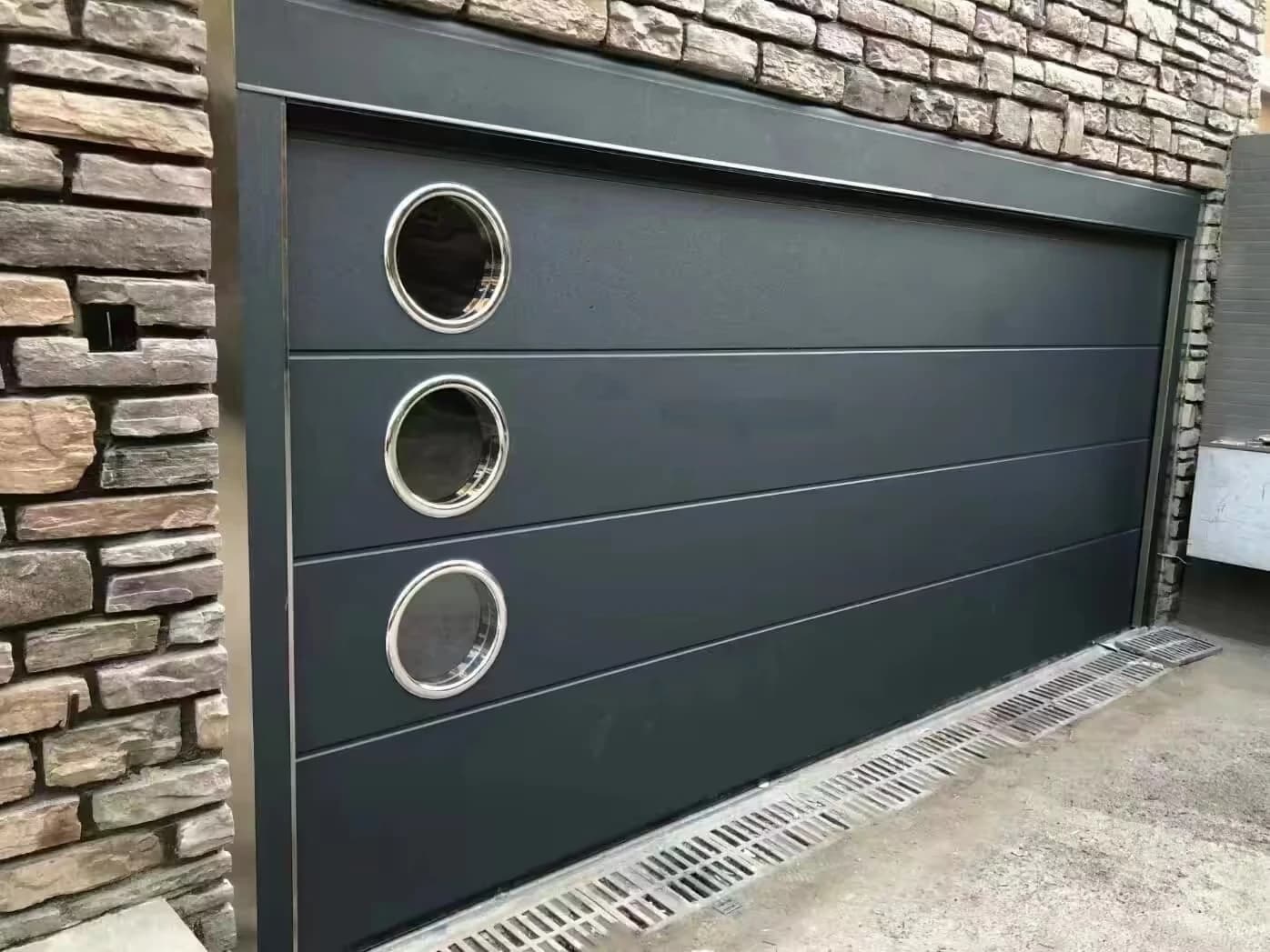
40 mm vs 50 mm Garage Door Panels: What Should Distributors Compare?
Compare 40 mm and 50 mm panels as complete door configurations: panel construction, joints, seals, hardware compatibility, declared performance and supply scope. Thickness is one dimension, not a whole-door insulation rating. Confirm which option is available for the selected model before making a stocking decision.

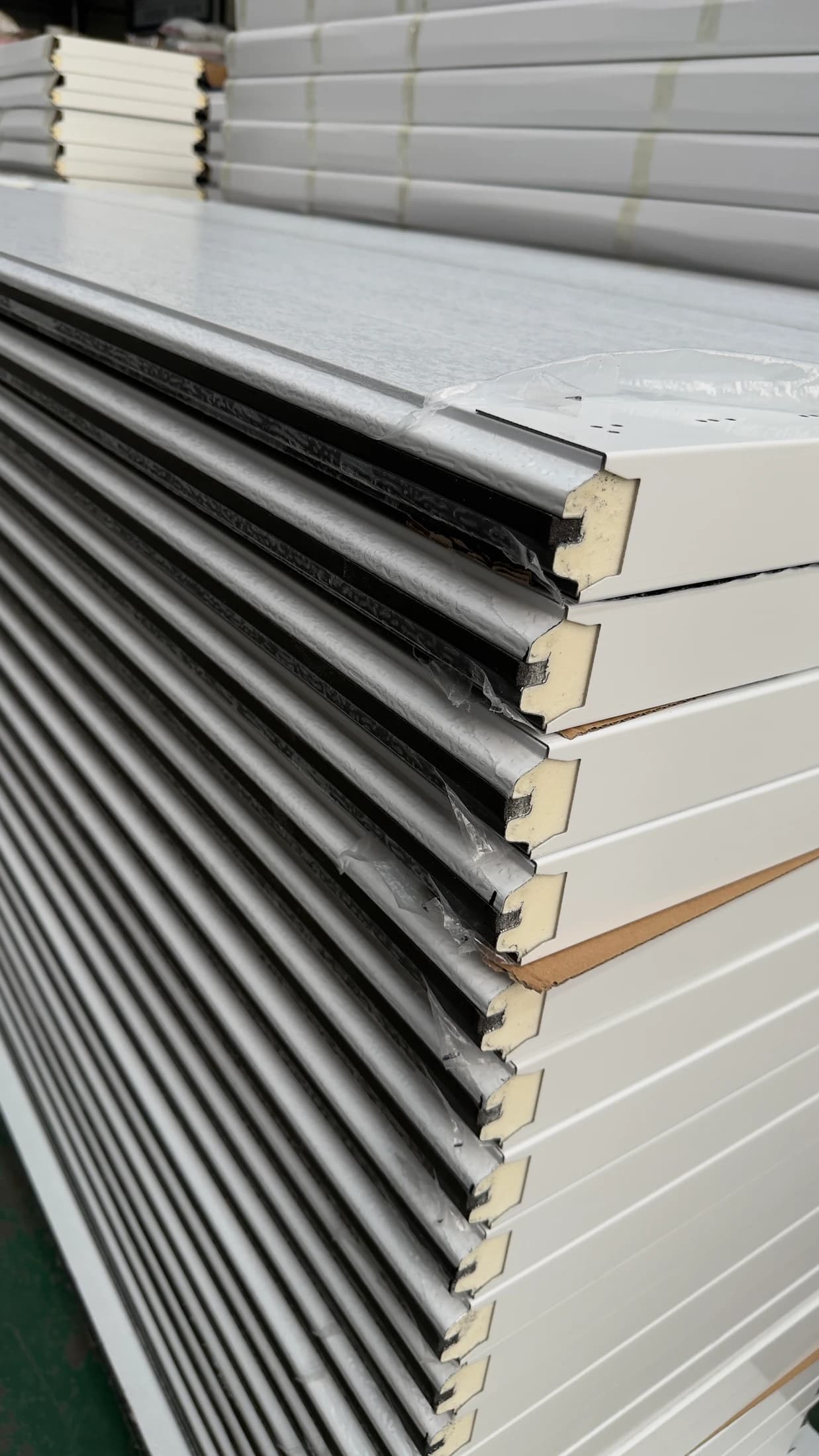

A thicker panel can sound like an easy upgrade to offer customers. I would first ask what problem the customer wants to solve and which evidence supports the proposed door. That makes the comparison useful for a distributor without turning one dimension into an unsupported performance promise.
Compare 40 mm and 50 mm panels as complete door configurations: panel construction, joints, seals, hardware compatibility, declared performance and supply scope. Thickness is one dimension, not a whole-door insulation rating. Confirm which option is available for the selected model before making a stocking decision.
At a glance
| Review item | What to compare | What to confirm |
|---|---|---|
| Nominal thickness | 40 mm versus 50 mm as quoted | Confirm model and configuration availability |
| Construction | Facing, core, joint and finish | Identify all specification differences |
| Thermal evidence | Panel or whole-door value and conditions | Compare like-for-like documented results |
| Assembly | Mounting interfaces and matched hardware | Review the proposed complete door |
| Stocking decision | Demand, spares, packing and purchase scope | Use your enquiry and sales records |
Does a thicker panel automatically mean a better door?
Thickness alone does not describe the complete construction or the customer’s requirements.
Compare the panel section, facing specification, core, joint profile and perimeter sealing. If a quote changes several of these items at once, the price difference cannot be attributed only to the additional thickness. Request a specification for each alternative rather than relying on a product family name.
I would also separate requirements such as appearance, thermal performance, installation fit and serviceability. One option may meet a particular project brief while another is easier to coordinate with an existing stock range. “Better” should describe a documented benefit for that use, not simply a larger number.
Which thermal figures can you compare?
Check whether the declared value describes a panel sample or a complete door, and compare equivalent conditions.
Ask for the document supporting any thermal claim and identify the tested or calculated configuration. Record the door dimensions and whether glazing or other features are included. A panel-only figure does not describe every joint and perimeter interface in the installed opening.
Where offers use different measures or test conditions, ask the suppliers to clarify them before preparing a sales comparison. I would not calculate an energy-saving percentage from thickness alone. The building, use pattern and open-door time would also need to be considered for a project-level estimate.
Will changing the panel affect the hardware?
Treat a panel change as an assembly review, especially when mixing suppliers.
Identify the joint shape, section heights, mounting interfaces and finished door configuration. Ask whether the proposed hinges, brackets, seals and other connected parts remain suitable. The fact that a part can be positioned against a panel does not establish an approved assembly.
Changes in the door configuration may also require review of the counterbalance and operator selection. I would send the revised panel information to whoever is responsible for that review rather than assume the previous configuration still applies. Keep the resulting decision with the accepted drawing.
What should a distributor stock?
Start with documented customer demand and the configurations you can support consistently.
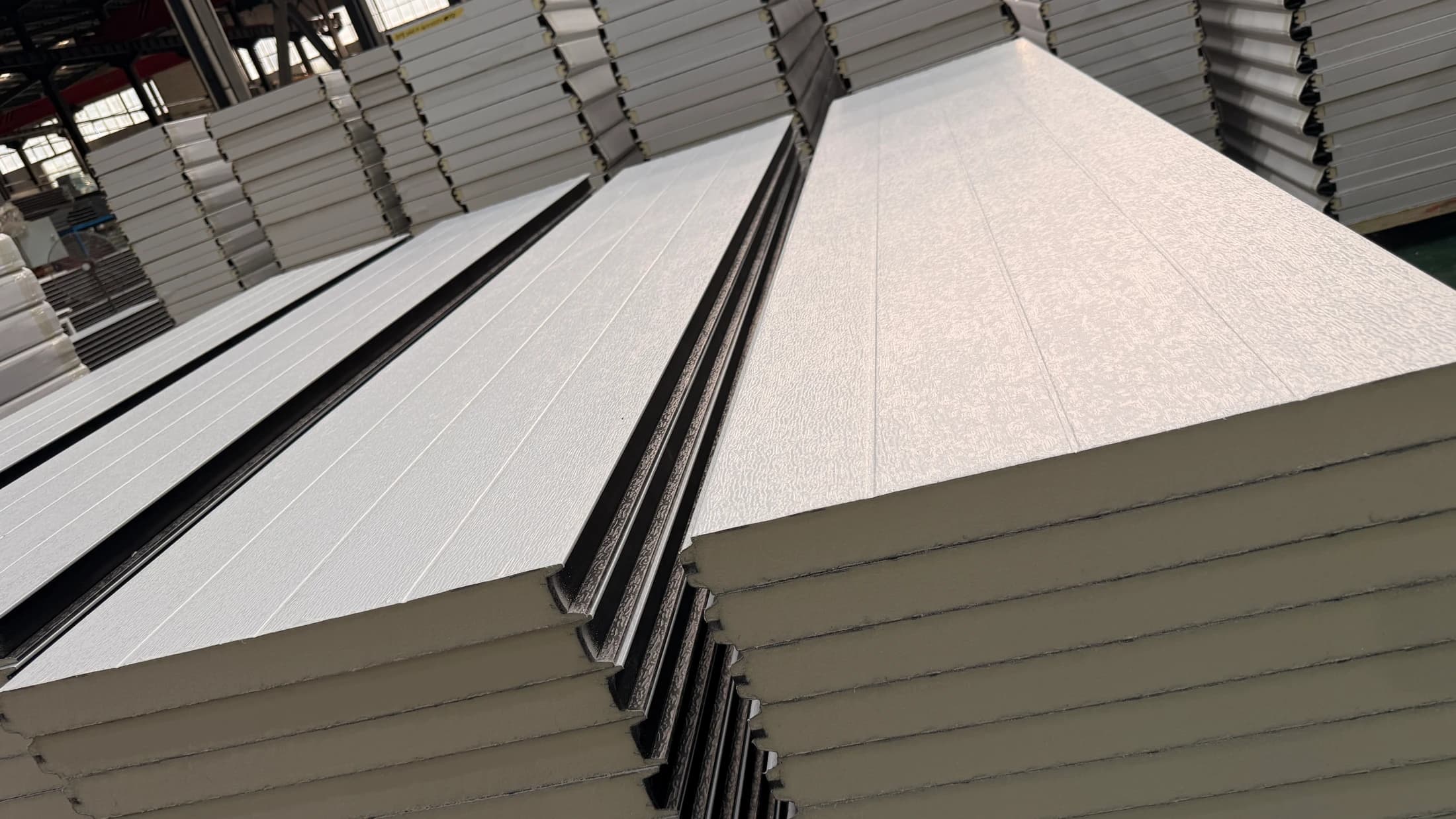
Group enquiries by application, common opening sizes, finish requests and required evidence. Then identify which combinations occur repeatedly. A stock decision should account for the associated hardware, seals and spare-part references, not only the number of panel bundles that fit in storage.
For a hypothetical distributor comparing two panel options, I would create a small demand matrix before placing a broad order: customer requirement, compatible assembly, expected quantity and unresolved questions. This is a planning method, not a claim that one thickness has higher market demand or a faster stock turnover.
How should you compare the purchase cost?
Compare the finished supply package and the costs explicitly included in each offer.
Record panel quantities and lengths, finish, glazing, hardware, packing and the delivery basis. Keep optional features separate. A panel price per square metre and a complete-door price are different quotation units and should not be placed in the same comparison without reconciling the scope.
Ask how the selected panel will be protected and identified during delivery, particularly when finishes or lengths vary within an order. I would also agree the procedure for reporting shortages or visible damage under the purchase terms. Do not substitute an assumed claim policy for the supplier’s actual agreement.
What should you include in your enquiry?
You do not need to fill every gap before contacting me. Please share what is available and identify what is still uncertain, so the next questions can focus on your project.
| Information | Include | Review |
|---|---|---|
| Application | How the opening is used and customer priorities | Identify the performance evidence required |
| Panel alternatives | Thickness, construction, finish and joint details | Request separate specifications |
| Door assembly | Opening, section arrangement and hardware | Identify any retained components |
| Commercial comparison | Same quantity, unit and delivery basis | Separate panels from complete-door scope |
When further review is needed
The 40 mm and 50 mm comparison is a procurement framework, not a declaration of a thermal, wind or acoustic rating. A catalogue option does not establish availability for every model, dimension or market. Request confirmation for the selected configuration.
Frequently asked questions
Is a 50 mm panel always more suitable than a 40 mm panel?
No. Suitability depends on the required complete-door performance, interfaces and application. Compare the documented alternatives.
Can panel thickness prove a whole-door thermal rating?
No. Ask for the applicable whole-door evidence and its configuration and conditions.
Can I replace one section with a different thickness?
Do not assume interchangeability. Have the joint, dimensions and complete assembly reviewed by the responsible supplier or installer.
Should distributors stock both thicknesses?
That depends on their actual customer demand, compatible systems and stock-support needs; this guide does not provide demand forecasts.
Product Documents & Further Reading
This is a buyer’s checklist, not a configuration approval or installation instruction. Review the product documents and confirm the selected assembly against your requirements. The illustrations explain what to look at; they do not establish dimensions or performance.